
Blogs, Bevel Gear
Bevel Gear Supplier: What to Check Before an RFQ?
Sep
Introduction
Not every bevel gear supplier is a good fit for every project. A company that can produce a standard straight bevel gear may not necessarily be the right choice for a spiral bevel, hypoid, or matched-pair project with defined contact and inspection requirements.
Before sending an RFQ, it helps to check whether the supplier’s capabilities match the actual gear type, manufacturing route, pairing needs, accuracy, and production stage. At Wenlio, the review starts with the gear and its mating relationship rather than with price alone.
What Should Buyers Check Before Sending a Bevel Gear RFQ?
Before sending an RFQ, buyers should first confirm two things:
First, is the supplier actually suited to this bevel gear project?
Second, is there enough information for both sides to quote on the same technical scope?
The main points to confirm include:
- Bevel gear type;
- Gear and pinion relationship;
- Manufacturing and finishing capability;
- Material and heat treatment;
- Accuracy and inspection requirements;
- Prototype or production quantity;
- Required reports and acceptance criteria.
If several of these points are still unclear, comparing unit prices alone may not be very meaningful.
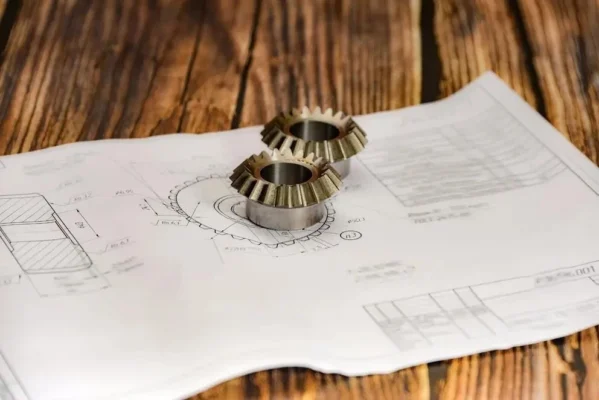
Can the Supplier Make the Bevel Gear Type You Need?
Being a “bevel gear supplier” does not mean every bevel gear type or accuracy requirement can be handled with the same manufacturing route.
What Gear Type Are You Buying?
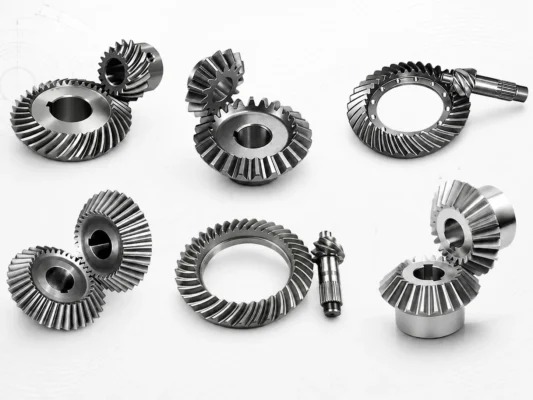
Before sending the RFQ, confirm whether the project involves:
- Straight bevel gear;
- Spiral bevel gear;
- Hypoid gear;
- Zerol bevel gear;
- Miter gear;
- Other custom bevel geometry.
Different gear types may require different cutting methods, tooling, heat treatment, finishing, and pair-inspection procedures.
Instead of asking only:
Can you make bevel gears?
a more useful question is:
Can you manufacture and inspect this specific bevel gear geometry?
If the drawing is complete, this is usually straightforward. If only a 3D model or sample is available, more geometry review may be needed first.
Is This an Individual Gear or a Gear Pair?
This is easy to overlook in a bevel gear RFQ.
Some projects require only an individual gear or pinion. Others need the two members to be treated as a matched system.
When Does Pairing Matter?
The supplier needs to consider the complete pair when the project includes requirements such as:
- Backlash;
- Contact pattern;
- Mounting distance;
- Pair identification;
- Lapping or roll check;
- Gear and pinion supplied together.
For spiral bevel and hypoid gear sets in particular, final performance often depends on the relationship between the gear, pinion, and mounting conditions.
If the project requires a matched bevel gear set, the pairing and inspection requirements should be stated during the RFQ stage rather than added after production.
Can the Supplier Support the Required Manufacturing Route?
A bevel gear drawing may involve several manufacturing steps, not just tooth cutting.
Depending on the project, the route may include:
- Blank preparation;
- Bevel gear cutting;
- Heat treatment;
- Hard finishing;
- Lapping;
- Deburring;
- Final inspection.
Why Should Buyers Ask About the Complete Route?
Final accuracy and cost are rarely determined by one operation alone.
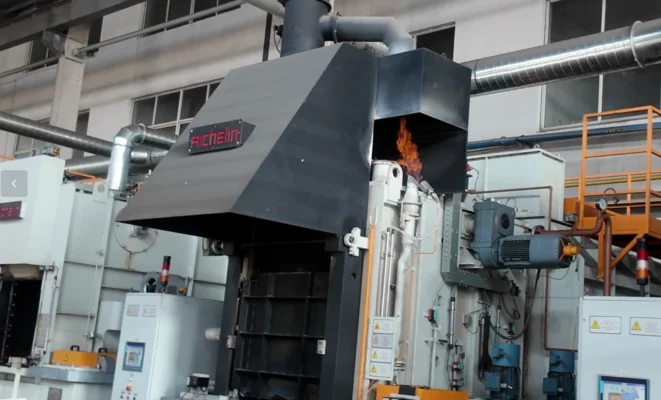
For example, if the gear requires carburizing and quenching, heat-treatment distortion needs to be considered. If tighter tooth-flank requirements apply after heat treatment, further finishing may also be necessary.
The more useful RFQ question is:
Can the complete manufacturing route meet the final drawing and acceptance requirements?
That gives a clearer picture than simply checking whether the supplier owns a particular machine.
Are Material and Heat Treatment Requirements Clear?
Material and heat treatment directly affect the manufacturing route, price, and final acceptance criteria.
The RFQ should ideally define:
- Material grade;
- Heat-treatment method;
- Surface hardness;
- Core hardness, if required;
- Case depth, if applicable;
- Whether finishing is required after heat treatment.
If an equivalent material is allowed, the RFQ should also state whether buyer approval is required before substitution.
When heat-treatment requirements are not yet fully defined, they can be reviewed during the technical stage, but the final conditions should be confirmed before production begins.
Can the Supplier Meet the Required Accuracy and Inspection Scope?
“High precision” is not a clear enough RFQ requirement.
What Should Be Defined?
At minimum, confirm:
- Accuracy standard;
- Grade;
- Critical dimensions;
- Runout;
- Tooth geometry inspection;
- Backlash, where applicable;
- Contact pattern, where applicable;
- Required report format.
The required bevel gear accuracy grade should be defined together with the applicable standard and inspection scope rather than as a number alone.
If the project also requires material certificates, heat-treatment records, or gear inspection reports, these should be included in the quotation scope from the beginning.
Does the Supplier Need Mating and Installation Information?
For many bevel gear projects, a drawing of one component does not fully describe the actual meshing relationship.
The supplier may also need:
- Mating gear drawing;
- Shaft angle;
- Gear ratio;
- Mounting distance;
- Spiral hand;
- Rotation direction;
- Housing or assembly references.
This information becomes especially important when the project includes pairing, noise, contact, or installation requirements.
Without enough mounting information, a supplier may be able to manufacture an individual part but still be unable to confirm the final gear-pair condition after assembly.
What Information Should Be Ready Before the RFQ?
Once the supplier appears to be a suitable fit, the next step is to check whether the RFQ package is complete.
| Information | What to Provide |
| Drawing | 2D drawing and revision |
| 3D model | STEP / IGES when useful |
| Gear data | Type, tooth count, module / DP, pressure angle |
| Mating data | Gear / pinion and assembly relationship |
| Material | Grade or approved alternative |
| Heat treatment | Process, hardness, case depth if required |
| Accuracy | Standard, grade, inspection items |
| Quantity | Prototype, batch, annual demand |
A complete bevel gear RFQ checklist should cover not only the drawing and tooth data, but also material, quantity, mating information, and relevant application conditions.
Does Quantity Change the Supplier Choice?
Yes.
A manufacturing route that works well for two prototypes may not be the best choice for a recurring order of 500 or 5,000 pieces.
The RFQ should ideally include:
- Prototype quantity;
- Initial batch;
- Expected annual demand;
- Whether production will be recurring.
This information can affect tooling, manufacturing route, batch planning, inspection frequency, and cost structure.
Listing only quantity without mentioning future production plans may lead the supplier to quote for a very different production scenario.
What Should Buyers Compare Between Bevel Gear Suppliers?
Once quotations arrive, unit price should not be the first and only comparison.
Start by checking whether the suppliers have quoted the same technical scope.
| Compare | What to Check |
| Material | Same grade / approved equivalent |
| Heat treatment | Same process and hardness |
| Gear finishing | Included or not |
| Accuracy | Same standard and grade |
| Pair inspection | Included where required |
| Reports | Same inspection scope |
| Tooling | Included or separate |
| Quantity basis | Same production stage |
If the technical scope is different, a large price difference may not mean the quotations are directly comparable.
When comparing a precision gear manufacturer, buyers should also look at drawing review, process planning, inspection capability, and production consistency rather than unit price alone.
How Does Wenlio Review a Bevel Gear RFQ?
RFQ review normally starts with the available drawing and gear-pair information, followed by confirmation of the manufacturing and acceptance scope.
The basic review covers:
- Bevel gear type and geometry;
- Gear and pinion relationship;
- Material and heat treatment;
- Accuracy and inspection requirements;
- Quantity and production stage.
For drawing-based or sample-based custom gear projects, items that are not yet fully defined can first be identified during review and then confirmed before formal production begins.
FAQ
What Is the Minimum Information Needed for a Bevel Gear RFQ?
At minimum, provide a drawing or sample information, gear type, material, heat treatment, quantity, and basic accuracy requirements. For paired gears, mating and installation information should also be included.
Should I Send the Mating Gear Drawing With the RFQ?
Yes, if the project involves backlash, contact pattern, mounting distance, or matched-pair requirements. This helps reduce technical assumptions based on one component alone.
Should Backlash and Contact Pattern Be Included in the RFQ?
If they are part of the final acceptance requirements, yes. Otherwise, different suppliers may quote with different inspection scopes.
Can a Bevel Gear Supplier Quote From a Sample?
An initial review is possible, but a sample may not contain as much information as a complete drawing. Mating gear data, mounting conditions, or other technical information may still be needed.
Should Buyers Choose a Bevel Gear Supplier by Price?
Price should not be the only factor. First confirm that material, heat treatment, accuracy, finishing, pairing, inspection, and quantity basis are aligned, then compare the quotations.
Conclusion
Before sending a bevel gear RFQ, it is worth checking whether the supplier is genuinely suited to the project, not just whether an RFQ form is complete. Gear type, mating relationship, manufacturing route, heat treatment, accuracy, and inspection scope can all affect both quotation and production.
The clearer the technical information, the easier it is to review the project against the same scope. Drawings, mating gear information, quantity, and inspection requirements for a new custom gear project can be submitted when you Contact Us for RFQ review.

Pingback: Cylindrical Gear vs Bevel Gear: How to Choose the Right Type? - wenlio.com