
Blogs, Bevel Gear
Bevel Gears for EV Drivetrains: Key Specs to Check
Oct
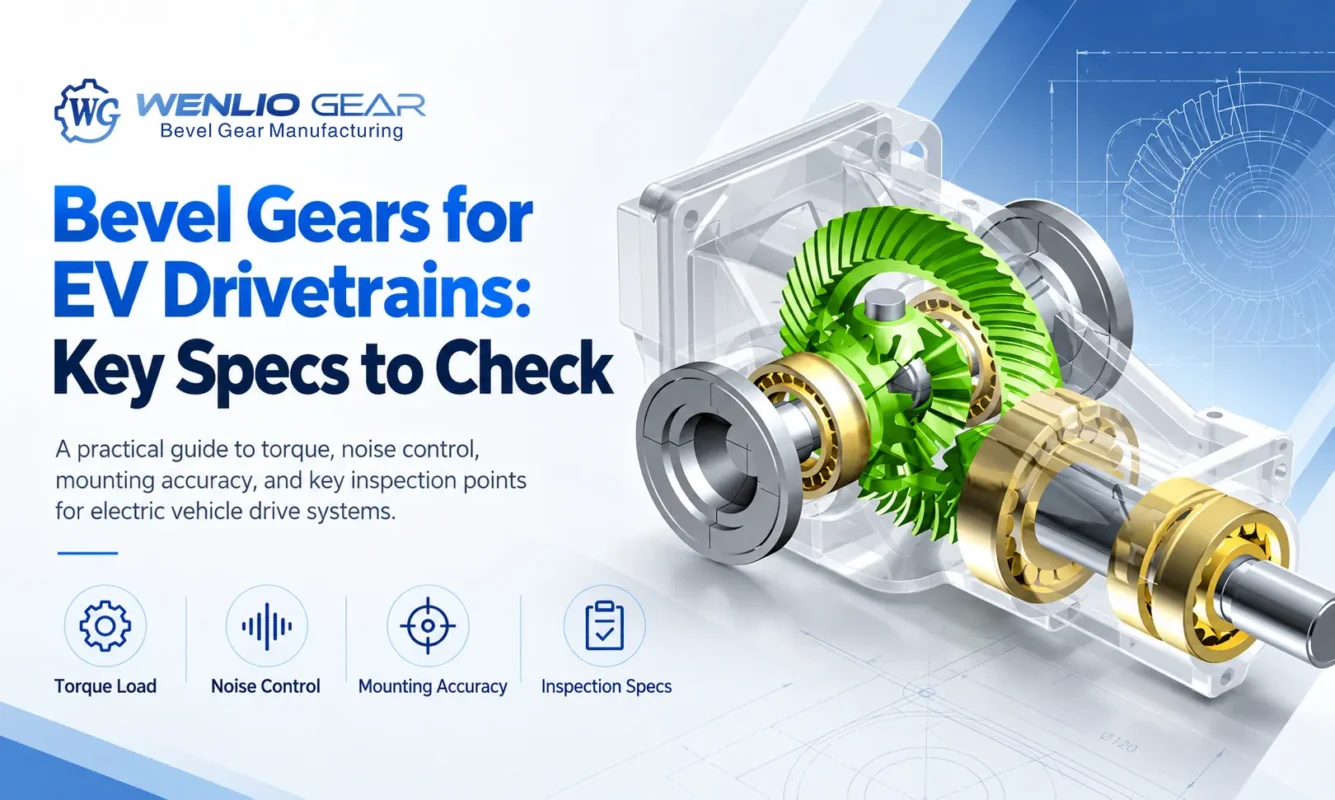
Electric vehicle (EV) drivetrains need gears that can handle changing loads, run smoothly, and fit into a compact space. For systems that use bevel gears, choosing the right design is only part of the job. The gears must also match the shaft layout, operating conditions, and requirements of the complete assembly.
A gear set may fit on paper but still cause noise, uneven tooth contact, or early wear if important details are missed.
Before ordering custom bevel gears, buyers should check the gear type, torque, speed, mounting dimensions, material, heat treatment, and inspection requirements. This guide explains what to look for and what information to prepare before requesting a quote from Wenlio.
What Specs Should You Check?
When specifying bevel gears for an EV drivetrain, start with the application and shaft arrangement. Then confirm the gear type, gear ratio, tooth geometry, operating torque, speed, mounting position, and fit with the mating gear.
You should also discuss noise and vibration targets, lubrication, material, heat treatment, and inspection requirements.
If you’re ordering a matched gear set, provide information for both gears. Their geometry and mounting positions must work together. Checking only one gear is not enough to confirm that the complete set will perform as intended.
Why Do EV Drivetrains Need Careful Gear Selection?
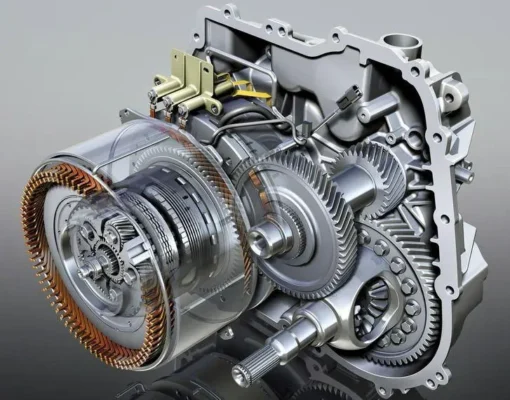
Electric motors can operate across a wide speed range and may experience frequent changes in torque. Depending on the drivetrain design, the gears may need to handle repeated acceleration, deceleration, and changes in load.
Noise is another concern. Without the sound of a combustion engine, gear noise that might otherwise go unnoticed can become more noticeable.
Several factors deserve attention:
- Noise and vibration:Tooth geometry, contact conditions, and assembly errors can affect running noise.
- Load capacity:The gear set must suit normal torque, peak loads, and the expected duty cycle.
- Limited space:Gear dimensions and mounting positions must fit the housing, bearings, and other components.
- Efficiency:Tooth contact, friction, and lubrication affect power losses.
- Service life:Material, heat treatment, manufacturing quality, and operating conditions all influence durability.
One point is worth clarifying: not every EV drivetrain uses bevel gears. Many electric drive units use helical or planetary gears. Bevel gears are suitable when the drivetrain layout calls for power transmission between intersecting shafts. Hypoid gears may be considered when the shafts are offset.
The right choice depends on the actual design, not simply on whether the application is an electric vehicle.
Choose the Right Bevel Gear Type
Before discussing dimensions, make sure the gear type suits the shaft arrangement and transmission requirements.
Straight Bevel Gears
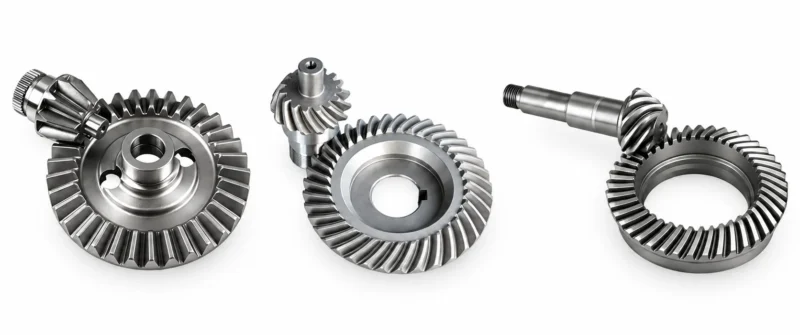
Straight bevel gears have straight tooth lines and are commonly used to transmit power between intersecting shafts.
They may suit applications where the layout and operating requirements support this design. Load, speed, noise targets, and available space should all be considered before making a decision.
Spiral Bevel Gears
Spiral bevel gears have curved teeth and can provide smoother engagement under suitable operating conditions.
They may be worth considering when a drivetrain requires smooth power transmission and careful control of tooth contact. Their actual performance still depends on gear geometry, manufacturing quality, alignment, and lubrication.
Hypoid Gears
Hypoid gears are designed for offset shafts, which do not intersect. They are used in some vehicle drive axle and differential applications.
Their sliding contact differs from that of conventional bevel gears, so lubrication and heat management need particular attention.
What should buyers confirm? Explain where the gear set will be installed, how the shafts are positioned, and what the gears need to achieve. Don’t simply request an EV bevel gear without describing the transmission layout.
Confirm Torque, Speed, and Gear Ratio
A gear’s dimensions alone cannot show whether it is suitable for a particular drivetrain. Operating conditions are just as important.
Gear Ratio and Tooth Count
The gear ratio depends on the gear arrangement and the relationship between the tooth counts.
If the design already has a target ratio, include it in the specification. If you’re replacing an existing gear, provide details of the mating gear as well. Replacing only one component without checking the pair can create compatibility problems.
Input Torque and Peak Loads
Provide the normal operating torque and expected peak torque whenever possible.
If the system experiences frequent acceleration, deceleration, or changes in torque direction, mention those conditions too. They may affect the design and the checks needed before production.
Speed and Duty Cycle
Input speed, operating time, start-stop frequency, and expected service life all help define the application.
With this information, the supplier can review the gear requirements more effectively than with dimensions alone.
Check Gear Geometry and Mounting Dimensions
A bevel gear can fit inside a housing and still fail to mesh correctly with its mating gear.
Before ordering, review the following details:
- Tooth count, module, and other relevant tooth geometry.
- Pressure angle, tooth form, and spiral direction where applicable.
- Gear diameter, face width, bore, and shaft connection.
- Shaft angle and, for hypoid gears, shaft offset.
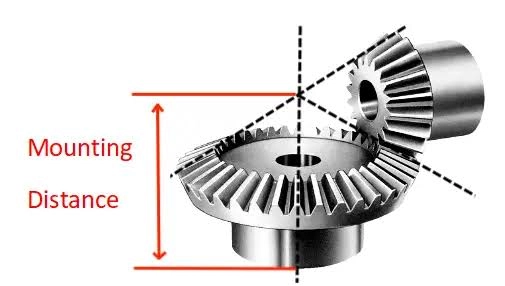
- Mounting distance and locating features.
- Interfaces with bearings, shafts, and the housing.
Mounting distance deserves special attention because it affects the relative position of the gears. Incorrect positioning can change tooth contact and running behavior.
For a matched bevel gear set, provide the assembly drawing or information about both gears whenever possible. A single-part drawing may not fully describe how the pair needs to work.
Consider Noise, Efficiency, and Lubrication Together
Low noise and good efficiency are not determined by one specification alone.
Tooth accuracy can affect gear engagement, but noise and vibration may also come from bearing support, housing stiffness, alignment, and assembly errors.
If the project has specific noise requirements, discuss the test conditions and acceptance criteria early. Waiting until the gears are installed in the complete drivetrain may make the source of a problem harder to identify.
Efficiency also depends on the whole system. Tooth friction, lubrication, speed, load, and temperature all affect power losses.
For hypoid gears, sliding contact makes lubrication particularly important.
Before requesting a quote, clarify the lubrication method, operating temperature, noise or vibration targets, and whether tooth contact or assembly testing is required. These details help define the work needed to evaluate the gear set, but no single gear parameter can guarantee the performance of the entire drivetrain.
Material, Heat Treatment, and Inspection
Material selection should match the expected load, wear conditions, and service life.
The design may need a balance of tooth-surface hardness, core strength, and toughness. The right balance depends on the gear material, geometry, and operating conditions.
When preparing the drawing, confirm the material grade, heat treatment, hardness requirements, and any case-depth requirements where applicable. Also identify which dimensions must be checked after heat treatment, since the process can affect part geometry.
Inspection should focus on the features that matter to the gear’s function. Depending on the project, checks may include:
- Critical dimensions and geometric deviations.
- Tooth profile, lead, and pitch-related measurements.
- Backlash and tooth contact within the assembled gear pair.
- Runout and mounting references.
- Material and heat-treatment results.
- Assembly checks and agreed inspection reports.
The required checks should be agreed upon before production. For applications with demanding noise or durability targets, the project may also need matched-pair inspection or functional testing.

EV Bevel Gear RFQ Checklist
Before sending an RFQ, use this checklist to see whether the key information is ready.
| Item | Information to provide |
| Application | Drivetrain location, function, and shaft arrangement |
| Gear specifications | Gear type, tooth count, ratio, and key dimensions |
| Operating conditions | Input torque, peak loads, speed, and duty cycle |
| Mounting requirements | Mounting distance, locating features, bearing and housing interfaces |
| Material and treatment | Material grade, heat treatment, and surface requirements |
| Performance targets | Noise, vibration, efficiency, and lubrication conditions |
| Quality and order | Inspection needs, sample approval, quantity, and delivery expectations |
If some details are not yet available, mark them as pending technical review. It’s better to identify an open question than to guess at a value that may later affect the design.
How Does a Custom Bevel Gear Project Move Forward?
A typical project begins with a review of the drawings, gear arrangement, and application requirements.
Next, the buyer and supplier clarify the operating loads, mounting dimensions, material, and inspection criteria. Once the specifications are clear, suitable machining, heat treatment, finishing, and inspection methods can be discussed.
Samples are then checked against the agreed requirements. If the fit is critical, assembly with the mating components may also be needed.
After the sample and specifications are approved, the project can move toward production.
Confirming these details early helps reduce the risk of changes caused by incomplete drawings, incorrect mounting positions, or unclear acceptance criteria.
Custom Bevel Gear Support from Wenlio
Wenlio provides custom bevel gears and related transmission components. For an EV drivetrain project, start by sharing the gear drawings, mating-component details, operating conditions, and expected order quantity.
If the specifications are not yet complete, explain the shaft arrangement, load requirements, and available installation space. These details provide a useful starting point for discussing the gear type and the information still needed.
FAQ
Do all EV drivetrains use bevel gears?
No. Many EV drive units use helical or planetary gears. Bevel gears are suitable for certain shaft arrangements, while hypoid gears may be used when the shafts are offset.
Which bevel gear type is best for an EV drivetrain?
It depends on the shaft layout, gear ratio, loads, space, and noise requirements. Straight bevel, spiral bevel, and hypoid gears suit different arrangements, so the design should be reviewed before choosing a type.
Can I request a quote with only a gear photo?
A photo can help start the discussion, but it usually doesn’t provide enough information to confirm the complete specification. Include known dimensions, mating gear details, torque, speed, and application conditions whenever possible.
Do more accurate gears always produce less noise?
Not necessarily. Gear accuracy matters, but noise also depends on tooth contact, alignment, bearings, housing design, lubrication, and assembly. The complete drivetrain may need to be evaluated.
Do custom bevel gears always require heat treatment?
No. Material and heat treatment depend on the load, wear conditions, part design, and expected service life. The requirements should be selected for the specific application.
Conclusion
Choosing bevel gears for an EV drivetrain involves more than matching dimensions. The gear type, operating loads, mounting position, material, and inspection requirements all need to suit the complete transmission system.
If you’re developing a drivetrain that uses bevel or hypoid gears, send Wenlio your drawings, mating-component details, and application requirements.
Contact us to discuss your project and request a quotation.
