WENLIO GEAR / MATERIAL GUIDE

How to Choose Gear Materials

The best gear material is the one that fits the load, wear conditions, heat treatment and expected service life.

Use this practical gear material selection guide to compare common options and prepare a clearer material specification for your next project.

Discuss your gear project Compare materials
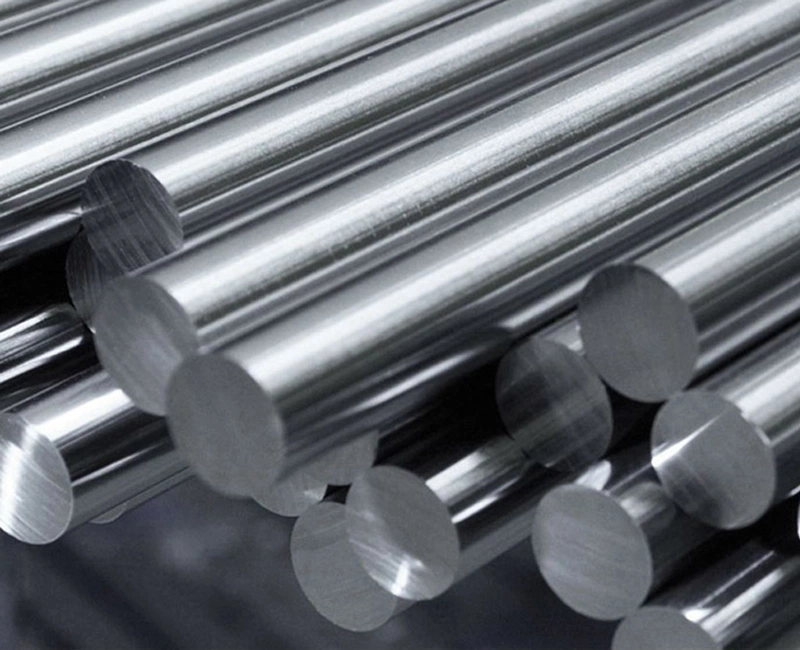
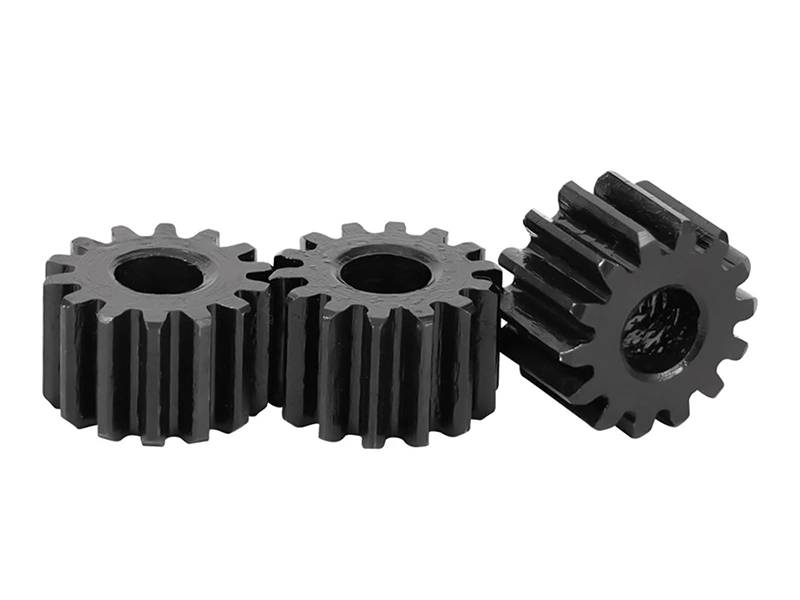
Metallic Materials for Gears

QUICK ANSWER

Start with the duty, not the steel grade

For gear material selection, first confirm torque, shock loads, speed, lubrication and environment. Then compare material strength, wear resistance, hardenability, machining needs and total cost.

No single steel grade suits every gear.

4 checks

01  Load and fatigue

02  Surface wear

03  Heat treatment

04  Cost and inspection

01 / COMMON MATERIALS

Compare common gear materials

Material properties depend on the grade, condition and treatment. These are typical starting points—not fixed performance ratings.

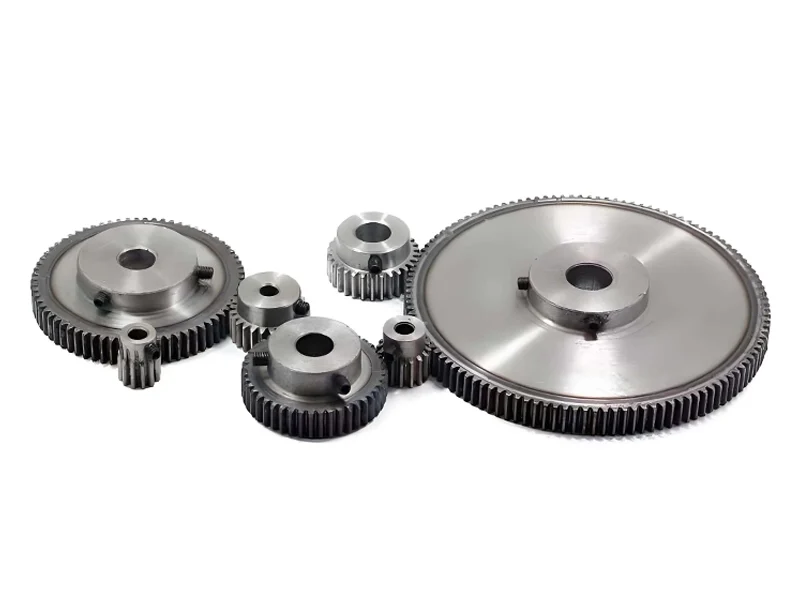
Carbon steel gear

Carbon steel

A practical option for less demanding or cost-sensitive applications, provided the grade and treatment meet the load and wear requirements

Carburizing steel

Used with suitable heat treatment to obtain a hard, wear-resistant case and a tougher core. Verify case depth, hardness and distortion after treatment

Alloy steel gear

Alloy steel

Often considered where strength, toughness and hardenability matter. Grade selection still depends on the application and process

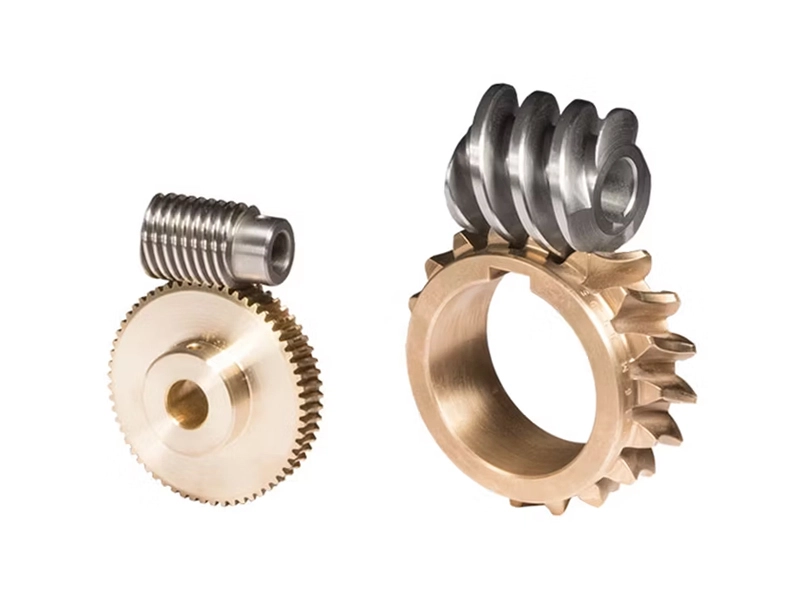
Stainless steel and bronze gear

Stainless steel and bronze

Stainless grades may help with corrosion; selected bronze alloys suit worm-wheel sliding contact. Neither is a universal substitute for alloy steel

MATERIAL CHOICE

Harder does not always mean better

Wear resistance matters, but tooth-root fatigue, core toughness and lubrication can be equally important. An expensive material is not automatically the right one.

Material selection should consider the operating load, heat treatment and service conditions.

02 / SELECTION PROCESS

Five questions to answer before choosing steel

01 / What is the load?

Note continuous torque, peak load, shock events and duty cycle.

02 / How does it run?

Record speed, lubrication, temperature and contamination.

03 / What can fail?

Assess root fatigue, pitting, scuffing, wear and corrosion.

04 / Which treatment fits?

Define surface hardness, core condition and case depth when applicable.

05 / What must be verified?

Agree on finished accuracy, material records, inspection criteria and acceptance limits.

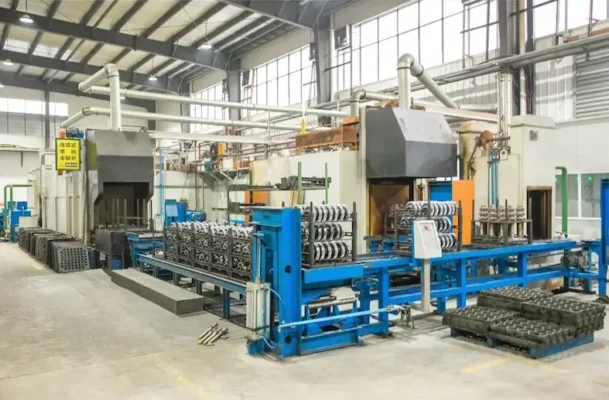
wenlio heat treatment center

03 / MATERIAL + PROCESS

Match the material with heat treatment

Carburizing and hardening can provide a hard case with a tougher core in suitable steels. Induction hardening treats selected areas. Nitriding can form a hard surface layer with relatively low distortion in suitable grades.

Ask for required hardness, case depth and finishing allowance instead of writing only “hardened.” The right route depends on the gear design and working conditions.

Explore the custom gear manufacturing process and how material selection fits the overall production review.

04 / APPLICATION FIT

Material selection changes with the gear type

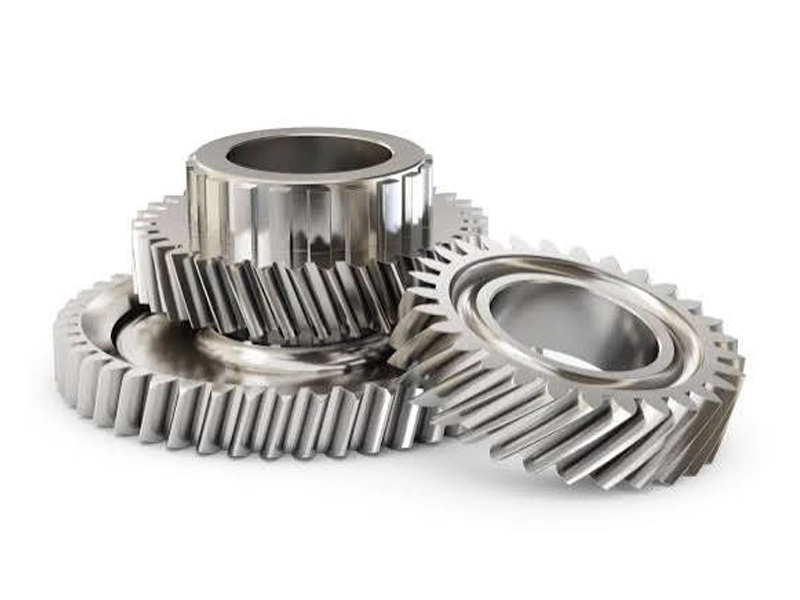
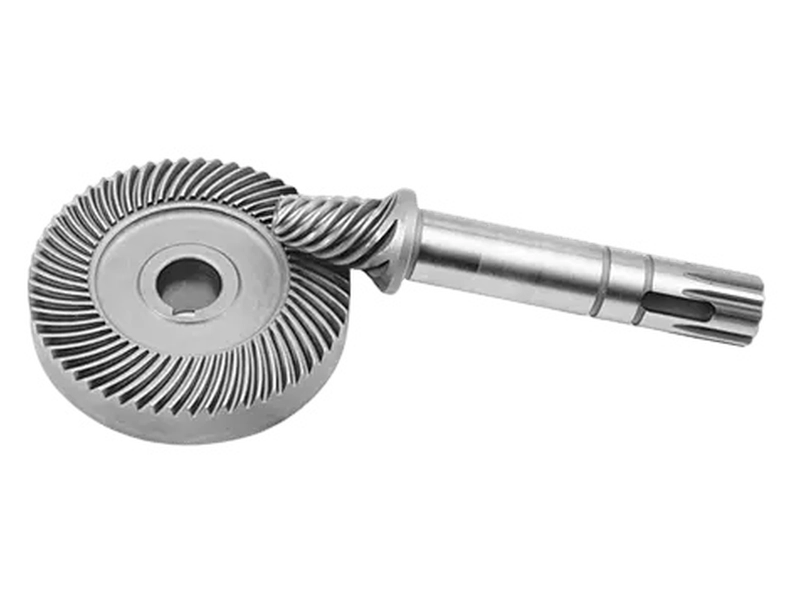
Bevel and hypoid gear sets

With spiral bevel gears, material choice should be reviewed alongside tooth contact, backlash, heat-treatment distortion and finishing. Mating parts and mounting conditions matter as much as the nominal grade.

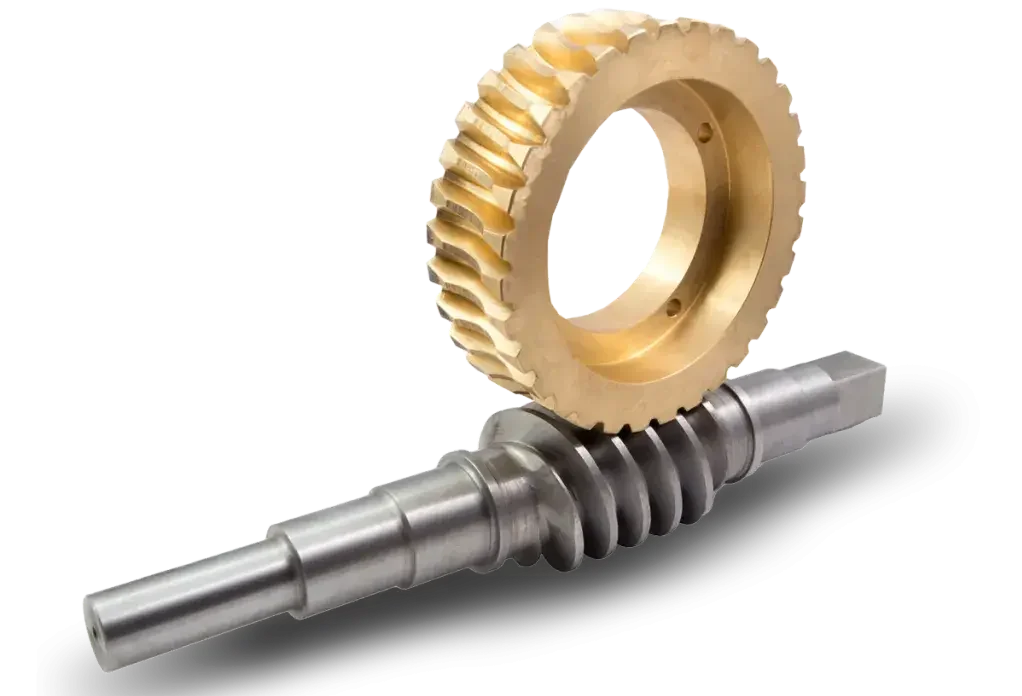
worm gear set

Worm gears and sliding contact

Worm and wheel materials should be considered as a pair. Bronze alloys are common in selected worm-wheel duties, but the actual choice depends on load, sliding speed, lubricant and operating temperature.

For custom gear manufacturing, send the mating-part information with the drawing.

05 / BUYER CHECKLIST

What to include in a gear material RFQ

  • 2D or 3D drawing, or a sample
  • Gear type, tooth data and mating components
  • Torque, speed, duty cycle and environment
  • Preferred grade or acceptable alternatives
  • Heat treatment, hardness and case depth if needed
  • Accuracy, inspection records and quantity

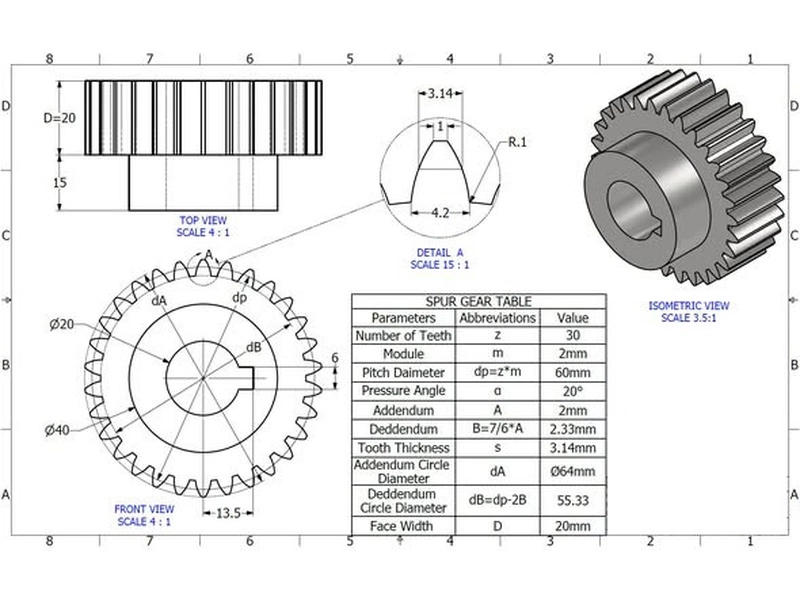
When ordering precision gears, agree on the gear inspection requirements before production—not after the parts are finished.

precision gear drawing

BUYER QUESTIONS

Gear material selection FAQs

What is the best material for gears?

There is no single best material. The right grade depends on load, tooth geometry, lubrication, wear risk and cost.

Is alloy steel always better than carbon steel?

No. Alloy steel may offer useful strength and hardenability, but carbon steel can work well when duty and treatment permit.

Does higher hardness guarantee longer gear life?

No. Hardness alone does not describe bending fatigue, core toughness, contact conditions or lubrication.

Can the material be selected from a worn sample?

A sample can support an initial review. Exact grade and heat-treatment condition require suitable evidence or testing.

What information should I send to Wenlio?

Provide drawings or sample details, gear duty, mating components, target treatment, inspection scope and quantity.

MATERIAL REVIEW FOR YOUR PROJECT

Choose the material with the full gear in mind.

Send your drawing or sample details. Wenlio can review material, heat-treatment and inspection requirements for your custom gear project.