
Blogs, Bevel Gear
Cylindrical Gear vs Bevel Gear: How to Choose the Right Type?
Sep
Introduction
A cylindrical gear vs bevel gear comparison starts with the shaft layout. If the shafts are parallel, spur or helical gears are usually the starting point. If their axes intersect, bevel gears may suit the drive. The next question is whether that arrangement can handle the load within the available space.
For buyers working with Wenlio, a precision gear manufacturer, this means reviewing the assembly as well as the gear drawing. A part may meet its dimensions yet still run poorly if the mating gear or mounting position is wrong. This guide explains what to check before committing to a gear type.
Cylindrical gear vs bevel gear
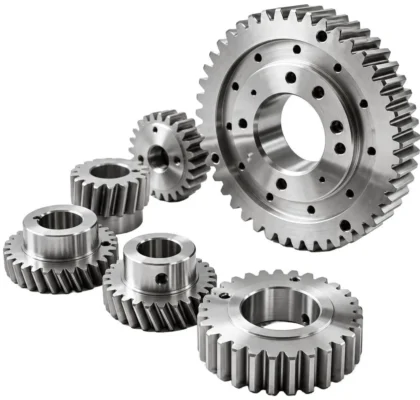
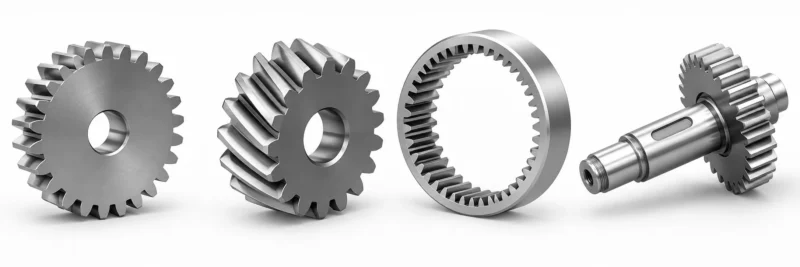
Cylindrical gears have cylindrical pitch surfaces and commonly transmit power between parallel shafts. This group includes spur gears, helical gears and internal gears. Bevel gears have conical pitch surfaces and transmit power between intersecting shaft axes, often at 90 degrees, although other shaft angles are possible.
The word “angled” needs care here. Hypoid gears work with offset, non-intersecting axes, so they should not be treated as ordinary bevel gears when reviewing a layout. Likewise, crossed helical arrangements are an exception to the usual parallel-shaft application of cylindrical gears.
| Design factor | Cylindrical gears | Bevel gears |
| Usual shaft layout | Parallel | Intersecting |
| Pitch surface | Cylindrical | Conical |
| Common forms | Spur, helical, internal | Straight bevel, spiral bevel |
| Typical role | Parallel-shaft drive stages | Change of shaft direction |
| Checks to discuss | Profile, lead, pitch and alignment | Tooth geometry, contact and mounting |
Use this comparison to narrow the options. It does not establish which design can carry more torque or achieve lower noise in a particular assembly.
When do cylindrical gears make sense?
A parallel-shaft layout is already established
Cylindrical gears are a common choice for reducers, machine tools and electric motor drives. Where the shafts already run parallel, they offer a familiar design and production route. The remaining work is to check the tooth geometry, material and accuracy against the operating conditions.
Installation space still matters. Review the gears together with the shafts, bearings and housing. Choosing a gear that fits the available diameter is only part of deciding whether the transmission fits the machine.
Smooth engagement matters
Helical gears often suit applications that need smoother engagement than spur gears. Their angled teeth engage progressively and allow overlapping contact. However, the selection also needs to account for axial force, efficiency and the intended operating speed.
Avoid specifying helical teeth simply because the machine must run quietly. Tooth accuracy, surface finish and alignment also affect noise. A more demanding tooth design cannot compensate for poor assembly conditions.
The production route suits the project
Hobbing, shaping and grinding are established processes for cylindrical gears. The suitable route depends on the geometry and accuracy requirement; listing these processes does not mean that every gear needs all of them.
For a custom order, ask the supplier to explain the proposed route against the drawing and quantity. This gives you a more useful basis for comparing quotations than the gear type alone.
When do bevel gears make sense?
The drive needs an intersecting-shaft arrangement
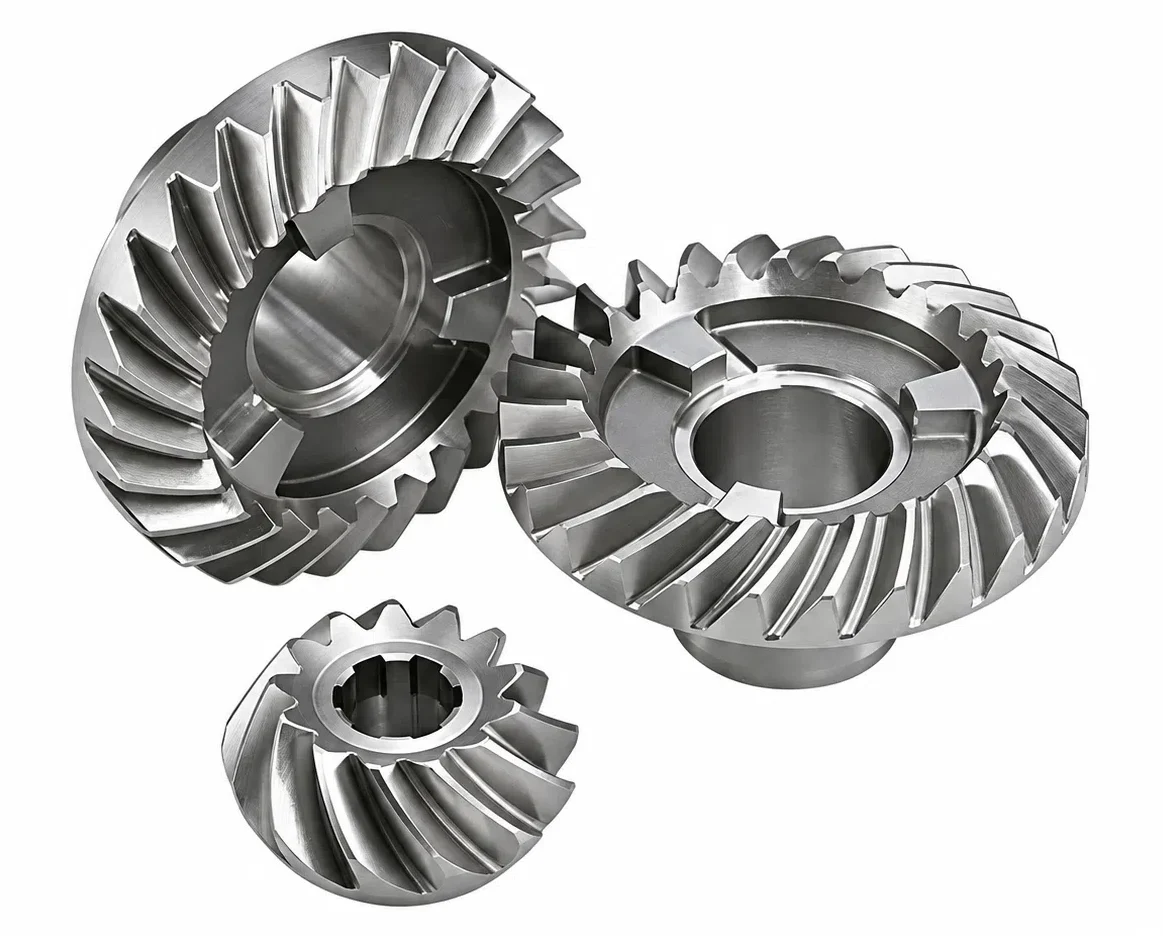
Bevel gears suit layouts where power must pass between intersecting shafts. A 90-degree drive is a common example. They appear in agricultural machinery, automotive systems and industrial equipment where the shaft direction needs to change.
A bevel set may help with packaging, but it is not automatically the most compact option. The review must include the bearing arrangement, housing and mounting positions. Limited space is a design constraint, not enough information by itself to select bevel gears.
Tooth contact needs close attention
Spiral bevel gears can provide smoother load transfer than straight bevel gears. For demanding service, though, tooth form is only part of the assessment. Material, heat treatment and the actual load determine whether the proposed set is suitable.
Review the gear and pinion together. Individual dimensions can meet the drawing while the assembled contact remains unsuitable. The mounting relationship and contact pattern therefore deserve attention before production and during assembly approval.
Cylindrical gear vs bevel gear: what decides performance?
Torque and duty cycle
Provide the required torque and speed, then describe how the machine operates. Continuous running, intermittent use and impact loads place different demands on the design. A gear chosen for light duty may be unsuitable when the same assembly faces heavier loads.
The supplier should use this information to review tooth strength and contact stress alongside material and heat treatment. Neither “cylindrical” nor “bevel” is a load rating. Compare proposed designs under the same operating requirements before deciding which is suitable.
Noise and accuracy
Both gear families can serve high-speed applications. The choice depends on the shaft arrangement and the required running behaviour. Helical cylindrical gears and spiral bevel gears offer smoother engagement in suitable layouts, but neither guarantees a quiet transmission.
Specify the accuracy the application needs and agree how to inspect it. Tooth profile, surface finish, alignment and contact conditions all matter. Selecting the highest available grade by default can add manufacturing demands without resolving the source of an assembly problem.
Manufacturing and inspection
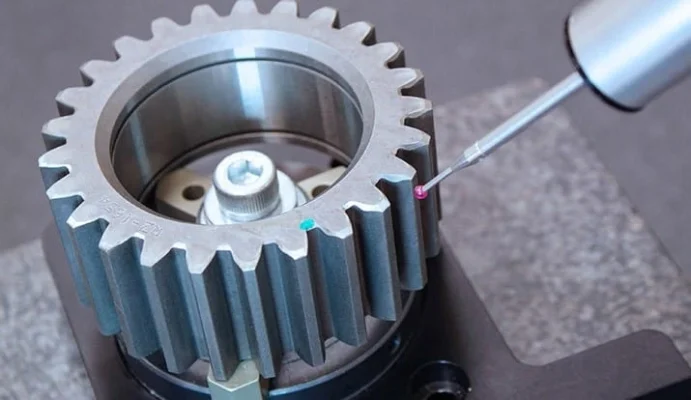
For cylindrical gears, inspection commonly covers dimensions and tooth profile, lead and pitch accuracy. Bevel gear inspection also needs to address tooth geometry, contact pattern and the mounting relationship of the pair. Both types depend on correct mating geometry and assembly.
The finishing route may include grinding; bevel gear production may also involve lapping where appropriate. Discuss the required result with the supplier before choosing a process. The process name alone does not tell you whether the finished gears will meet the application requirements.
Three selection mistakes to avoid
Comparing only diameter, tooth count and ratio
These values help describe a gear, but they do not establish compatibility. Check them against the shaft layout, mating geometry and operating conditions. Similar dimensions are not enough to show that two designs will perform alike.
Reviewing the gear without its assembly
Include the shafts, bearings and housing in the review. This is especially relevant for bevel sets, where the mounting position affects tooth contact. If assembly information is missing, identify that gap before approving the proposed design.
Comparing only the initial price
A lower machining cost can lose its value if the design later needs changes or proves difficult to assemble. Compare quotations against the same drawings, materials and inspection scope. Consider the likely assembly work alongside the unit price, rather than assuming the simpler-looking gear will cost less overall.
What should buyers send for a custom gear review?
A custom gear supplier needs enough information to connect the part drawing to its intended use. Send the available drawings and gear specifications, together with:
- Shaft arrangement, mounting conditions and available space.
- Required ratio, torque and rotational speed.
- Duty cycle, impact loads and operating environment.
- Material, heat treatment and accuracy requirements.
- Required quantity and inspection expectations.
If some details are still undecided, identify them clearly. The first review can then focus on those open questions instead of treating an incomplete specification as final.
Wenlio reviews application requirements, gear parameters and manufacturing feasibility before proposing a production route. For a bevel gear project, include information about the mating component and assembly so the discussion covers the gear pair.
FAQ
Can cylindrical gears and bevel gears work in the same transmission?
Yes. A transmission can combine the two in different stages. Each stage must suit its shaft arrangement, while the complete system must meet the required ratio and operating conditions.
Which gear type is better for high-speed operation?
Neither is always better. Start with the shaft layout, then compare designs against speed, noise and accuracy requirements. Helical or spiral teeth may offer smoother engagement, but assembly conditions still matter.
Are bevel gears harder to manufacture?
They often require more involved geometry and contact control. However, manufacturing difficulty also depends on the specific drawing, finishing requirements and quantity. A demanding cylindrical gear can also require substantial process control.
What is needed for a custom gear quote?
Provide drawings or available specifications, application details, torque, speed and quantity. Include material, heat treatment and inspection requirements where known, and flag any information that still needs confirmation.
Will a higher accuracy grade always improve performance?
No. Better tooth accuracy may help, but it will not correct an unsuitable layout or mounting condition. Choose the grade for the application and evaluate it together with surface finish and assembly requirements.
Conclusion
Choose cylindrical gears or bevel gears around the shaft arrangement, then check load capacity, accuracy and assembly conditions. Manufacturing cost only becomes a useful comparison once those requirements are clear.
Send your drawing, gear specifications and application details to Wenlio for a review of the proposed gear and production route. Contact us to discuss your project.
