
Blogs
Gear Milling vs Gear Hobbing: Which Fits Your Gear Project?
Aug
Introduction
Gear milling and hobbing are often compared as if one simply replaces the other. In practice, the drawing usually decides. A prototype with a shoulder close to the teeth may be easier to mill, while a standard external spur gear made in recurring batches may be a straightforward hobbing job.
Quantity matters, but it is only part of the decision. Cutter access, heat treatment, and the accuracy required on the finished gear can all change the manufacturing route. At Wenlio, these points are reviewed together before the cutting process is confirmed.
Gear Milling vs Gear Hobbing: What Is the Main Difference?
The main difference is how the teeth are formed.
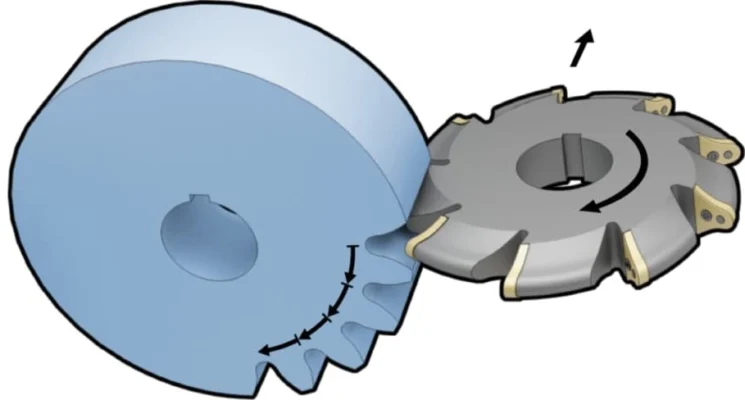
With gear milling, the cutter machines the tooth spaces through indexed cutting or a programmed CNC toolpath. Depending on the setup, the process can adapt to different gear shapes and part configurations.
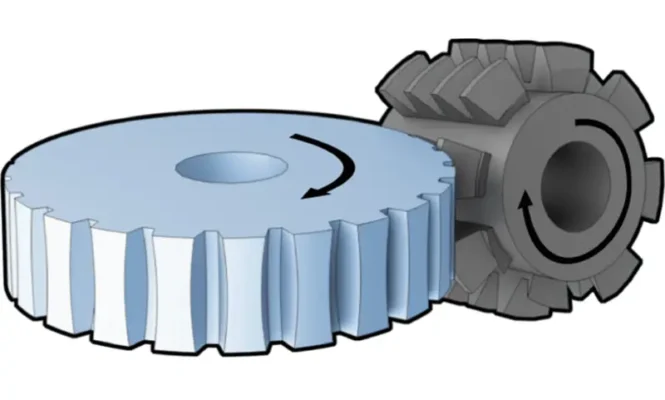
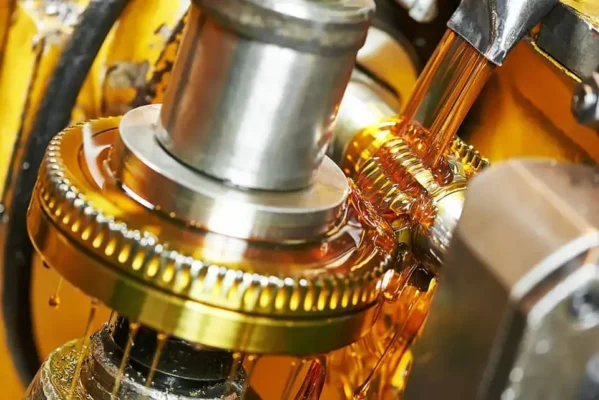
Gear hobbing works differently. The hob and workpiece rotate together in a controlled relationship, generating the tooth form continuously. Once the machine and tooling are set up, this continuous cutting action makes hobbing particularly efficient for many external cylindrical gears.
| Factor | Gear Milling | Gear Hobbing |
| Cutting method | Indexed or CNC milling | Continuous generating |
| Flexibility | Higher | More process-specific |
| Batch efficiency | Usually lower | Usually higher |
| Prototype work | Often suitable | Possible with suitable tooling |
| External spur gears | Yes | Very suitable |
| External helical gears | Yes | Very suitable |
| Internal gears | Possible in some cases | Conventional hobbing: no |
| Tool-access limits | Often more flexible | Needs hob entry and overrun |
These differences are useful for an initial comparison, but the drawing usually gives a clearer answer than the gear type alone.
When Does Gear Milling Make More Sense?
Milling is often attractive when flexibility matters more than production speed.
Prototype and Small-Batch Projects
A buyer may need only a few gears for testing before the design is frozen. In that situation, investing in dedicated tooling may not always make sense, especially if the geometry could still change.
Gear milling is often useful for:
- Prototype gears;
- Low-volume replacement parts;
- Designs still under verification;
- Special or non-standard geometry.
It can also make later design changes easier to handle.
Still, low quantity does not automatically mean milling is the right choice. If a suitable hob already exists and the part is easy to hob, hobbing may remain economical even for a small batch.
Restricted Tool Access
Part geometry is another reason to consider milling.
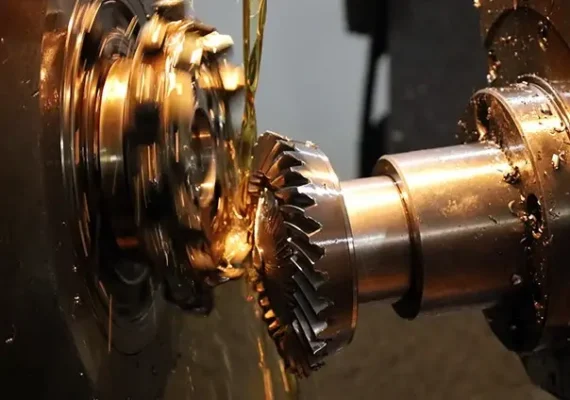
A gear may look suitable for hobbing from its tooth data, yet a shoulder or flange sits too close to the teeth for the hob to enter or travel beyond the full face width.
Milling can sometimes work around these restrictions with a different cutter, toolpath, or machining direction.
This is why tooth count and module alone are not enough for process selection. The surrounding part geometry matters too.
When Is Gear Hobbing Usually Preferred?
Hobbing becomes especially attractive when the same external gear needs to be produced repeatedly.
Medium- and Higher-Volume Production
Compared with conventional indexed gear milling, hobbing uses a continuous generating motion. In repeated production, this can reduce cycle time considerably.
Typical candidates include:
- External spur gears;
- External helical gears;
- Gear shafts with accessible teeth;
- Recurring production batches.
As order volume grows, this efficiency advantage becomes increasingly important.
Standard External Gear Geometry
Standard external gears with open tooth areas are often good candidates for hobbing.
That does not mean every spur or helical gear can be hobbed without further review. The manufacturing team still needs to check:
- Gear diameter;
- Face width;
- Shoulder clearance;
- Hob overrun space;
- Machine capacity;
- Workholding
For helical gears, normal module, helix angle, helix hand, and machine capability also need to match the required geometry.
Does Hobbing Give Better Accuracy Than Milling?
Not automatically.
A well-controlled hobbing process can provide stable and repeatable results, which is one reason it works well for batch production. But the process name alone does not determine the accuracy of the finished gear.
What Affects Final Gear Accuracy?
Several factors can change the final result:
- Machine condition;
- Cutter quality;
- Tool wear;
- Workholding;
- Runout;
- Material condition;
- Heat-treatment distortion.
The same applies to milling. With suitable equipment, tooling, and process control, a milled gear can also achieve good accuracy.
What If Higher Final Accuracy Is Required?
If high tooth-flank accuracy is required after heat treatment, milling or hobbing may only be the first cutting stage.
Further finishing may include gear grinding, honing, or another suitable finishing process.
A more useful question for the supplier is:
What accuracy can the complete manufacturing route achieve?
That tells you more than simply knowing whether the gear was milled or hobbed.
Which Process Costs Less?
There is no fixed answer.
For a few prototype gears, milling may reduce the need for dedicated gear tooling when suitable CNC cutters are already available. The trade-off is that machining time per part can be longer.
Hobbing may require a suitable hob and a more defined setup, but once production is established, its shorter cycle time can make it more economical for repeated batches.
What Actually Affects the Cost?
Price is influenced by more than the cutting method. Important factors include:
- Quantity;
- Gear size and module;
- Tooling availability;
- Setup time;
- Cycle time;
- Material;
- Heat treatment;
- Required accuracy;
- Inspection requirements.
The wider gear manufacturing process also matters because tooth cutting may be only one stage between blank preparation, heat treatment, finishing, and final inspection.
Two suppliers can therefore choose different manufacturing routes and still arrive at technically valid solutions.
Why Can Part Design Limit Hobbing?
This is easy to miss when only the tooth data is reviewed.
Why Does Tool Clearance Matter?
A hob needs room to enter the tooth area and travel past the full face width. Features close to the gear teeth may block that path, including:
- Shoulders;
- Flanges;
- Large adjacent diameters;
- Bearing seats;
- Other interfering features.
When clearance is limited, the options may include changing the cutter, altering the manufacturing sequence, using another cutting process, or in some cases adjusting the part design.
Sending the complete 2D drawing or 3D model during quotation helps identify these issues before production begins.
Gear Milling or Hobbing: Which Should You Choose?
There is no single rule, but the decision becomes easier when three points are clear.
Is the Part Suitable for Hobbing?
An open external spur or helical gear with sufficient tool clearance is often a good hobbing candidate.
If the teeth sit close to a shoulder, flange, or another interfering feature, milling or another process may be easier to apply.
How Many Parts Are Needed?
Prototype and low-volume projects usually put more value on flexibility.
As production volume increases, cycle time, tooling life, and repeatability become more important, which often makes hobbing attractive.
What Accuracy Is Required After Heat Treatment?
If high final accuracy is needed, the first tooth-cutting method may not be the final operation.
Heat treatment can change gear geometry, so finishing requirements should be considered before deciding the complete process route. The required gear accuracy grade should also be clear before the final manufacturing and inspection plan is set.
| Project Situation | Process Worth Evaluating First |
| Prototype or low quantity | Milling |
| Design may still change | Milling |
| Unusual part geometry | Milling |
| Standard external spur gear | Hobbing |
| Standard external helical gear | Hobbing |
| Repeated batch production | Hobbing |
| Limited hob clearance | Milling or another process |
| Internal gear | Shaping, skiving, or another suitable process |
These are practical starting points rather than fixed manufacturing rules.
What Should Buyers Provide for Process Review?
A useful RFQ should show more than the basic tooth data. The supplier needs enough information to understand both the gear geometry and the complete part structure.
Useful information includes:
- 2D drawing or 3D model;
- Gear type;
- Module or DP;
- Tooth count;
- Pressure angle;
- Helix angle and hand, if applicable;
- Material and heat treatment;
- Required accuracy;
- Inspection requirements.
The drawing should also show shoulders, flanges, bearing seats, and other nearby features that could affect cutter access.
For custom gear projects, these details make it easier to compare manufacturing routes before tooling and production decisions are made.
How Does Wenlio Review Milling and Hobbing Projects?
The review normally starts with the complete part rather than the process name.
Gear geometry and tool clearance come first, followed by material, heat treatment, accuracy, quantity, and any finishing requirements. If both milling and hobbing are practical, tooling, cycle time, batch consistency, and inspection needs can then be compared.
This avoids choosing a process simply because it is commonly associated with a certain type of gear.
FAQ
Is Gear Hobbing Faster Than Gear Milling?
For many external spur and helical gears in repeated production, hobbing is often more efficient than indexed milling. Actual cycle time still varies with gear size, module, material, tooling, and cutting conditions.
Is Gear Milling Better for Prototypes?
Often, yes. Milling offers useful flexibility when quantities are low or the design may still change. If suitable hobbing tooling is already available, however, a prototype can also be hobbed.
Can Helical Gears Be Hobbed?
Yes. External helical gears are commonly hobbed, provided the normal module, helix angle, helix hand, tool access, and machine capability are suitable.
Is Hobbing More Accurate Than Milling?
Not necessarily. Final accuracy depends on the machine, cutter, setup, material, heat treatment, and any later finishing operations.
How Do I Know Which Process My Gear Needs?
Start with the complete drawing, quantity, material, heat treatment, and required accuracy. The supplier should also check nearby part features to see whether they restrict cutter access.
Conclusion
Gear milling works well when flexibility, low quantity, or difficult part geometry matters. Hobbing is often the more efficient route for accessible external spur and helical gears that need to be produced repeatedly.
The drawing usually gives the clearest answer. Once geometry, tool access, quantity, heat treatment, and final accuracy are understood, it becomes much easier to select a practical manufacturing route. For a new project, drawings and production requirements can be submitted when you Contact Wenlio for process review.
