
Blogs
How Does Gear Cutting Chatter Affect Gear Accuracy
Oct
In precision gear manufacturing, achieving accurate gear performance requires more than correct design parameters and high-quality materials. Even with advanced machining equipment, unstable cutting conditions can reduce gear accuracy, affect tooth surface quality, and influence the final transmission performance.
As a professional gear manufacturer, Wenlio provides precision gear solutions for agricultural machinery, heavy-duty vehicles, construction equipment, electric vehicles, and industrial automation applications. During the manufacturing process, gear cutting chatter is one of the key factors that can influence machining stability and final gear quality.
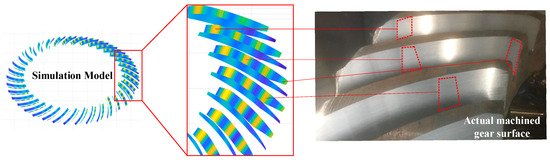
Gear cutting chatter is an unwanted vibration that occurs during machining processes such as gear hobbing, gear milling, and gear shaping. When the cutting tool and workpiece vibrate against each other, unwanted marks may appear on the tooth surface, leading to tooth profile errors, unstable meshing, and increased operating noise.
Understanding the causes of gear cutting chatter and how to control it is essential for producing reliable and high-precision gears.
The Impact of Chatter on Gear Performance
Gear cutting chatter affects gear accuracy by creating unwanted vibration between the cutting tool and the gear blank during machining.
This vibration can result in:
- Tooth profile deviation
- Irregular tooth surfaces
- Increased surface roughness
- Poor gear meshing performance
- Higher operating noise and vibration
In simple terms, gear cutting chatter reduces machining stability and causes the actual gear geometry to deviate from the designed specifications, affecting accuracy grade and service performance.
What Is Gear Cutting Chatter?
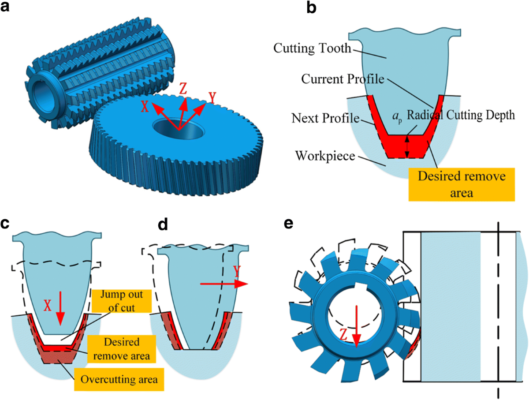
Gear cutting chatter refers to unwanted vibration generated during gear machining when cutting forces interact with the machine tool, cutting tool, and workpiece.
Unlike normal machine vibration, chatter is usually a type of self-excited vibration. Once it starts, the vibration can continuously increase because the cutting process and vibration influence each other.
During gear manufacturing, chatter may occur in various machining processes, including:
Although different machining methods may create different vibration patterns, the final result is similar: reduced tooth surface quality and lower machining accuracy.
What Causes Gear Cutting Chatter During Gear Manufacturing?
Gear cutting chatter is usually caused by a combination of factors related to machining parameters, tooling conditions, machine stability, and workpiece setup.
Incorrect Cutting Parameters
Improper cutting parameters are one of the most common causes of chatter.
Examples include:
- Excessive cutting speed
- Excessive feed rate
- Incorrect cutting depth
When cutting forces exceed the stable operating range of the machining system, vibration between the tool and workpiece may occur.
For precision gear manufacturing, cutting parameters must be optimized according to gear material, module, tooth design, and machine capability.
Tool Wear or Improper Tool Condition
Tool condition directly affects machining stability.
During continuous operation:
- Cutting edges become worn
- Cutting forces increase
- Machining resistance changes
These factors can increase the possibility of chatter.
In addition, improper tool selection, incorrect tool installation, or poor tool sharpening quality may also affect machining performance.
Insufficient Machine or Workpiece Rigidity
Insufficient rigidity of the machining system is another important cause of chatter.
Examples include:
- Unstable workpiece clamping
- Insufficient support for long shafts
- Low machine tool stiffness
When cutting forces act on the system, small movements may occur, causing machining errors and unstable tooth geometry.
Poor Workholding and Setup Conditions
Stable positioning and clamping are essential during gear machining.
If the workpiece has:
- Misalignment
- Loose clamping
- Positioning errors
The relative movement between the cutting tool and workpiece may change, resulting in uneven tooth machining and reduced accuracy.
Machine Maintenance Issues
Long-term operation can gradually reduce machine stability.
Common issues include:
- Increased spindle clearance
- Reduced guideway accuracy
- Mechanical component wear
For high-precision gear production, regular machine maintenance and accuracy calibration are essential.
How Does Gear Cutting Chatter Affect Gear Accuracy?
Gear cutting chatter can affect gear accuracy in several ways.
Increased Tooth Profile Deviation
Tooth profile accuracy is one of the most important indicators of gear quality.
When vibration occurs during machining, the cutting tool movement may become unstable, causing the actual tooth profile to deviate from the designed geometry.
Possible results include:
- Reduced contact area between gear teeth
- Uneven load distribution
- Lower transmission efficiency
Poor Tooth Surface Finish
Chatter can create periodic vibration marks on the tooth surface.
These marks may lead to:
- Increased surface roughness
- Higher friction
- Faster wear
For applications requiring quiet and smooth operation, such as EV reduction systems and industrial automation equipment, tooth surface quality is especially important.
Increased Gear Noise and Vibration
During gear operation, uneven tooth contact caused by machining errors can create impact between mating teeth.
This may result in:
- Increased operating noise
- Higher vibration levels
- Reduced operating comfort
Reduced Gear Service Life
Over time, inaccurate tooth geometry and uneven contact pressure can increase localized stress.
Potential failure modes include:
- Tooth wear
- Pitting
- Fatigue failure
How Chatter Impacts Gear Accuracy and Performance
To maintain gear accuracy, manufacturers need to control chatter through machining optimization, equipment management, tooling selection, and inspection processes.
Optimize Cutting Parameters
Manufacturers can reduce vibration by adjusting:
- Cutting speed
- Feed rate
- Cutting depth
The goal is to find stable machining conditions suitable for specific materials and gear structures.
Select Proper Tools and Maintain Tool Condition
Choosing suitable cutting tools, coatings, and machining methods can improve cutting stability.
Regular tool inspection and replacement of worn tools also help maintain consistent gear quality.
Improve Machine Stability
Stable equipment is the foundation of precision gear manufacturing.
Manufacturers should:
- Perform regular machine maintenance
- Calibrate machining accuracy
- Monitor spindle conditions
Perform Accurate Gear Inspection
After machining, gears should be inspected to verify final quality.
Common inspection items include:
- Tooth profile inspection
- Tooth lead inspection
- Pitch error measurement
- Runout inspection
Inspection data helps identify machining issues and ensures gears meet required accuracy standards.
Why Chatter Control Matters for Precision Gear Manufacturing
For agricultural machinery, heavy-duty trucks, construction equipment, electric vehicles, and industrial automation systems, gears often operate under continuous load and demanding conditions.
Even a small machining vibration issue can affect:
- Transmission efficiency
- Operating noise
- Component lifetime
- Equipment reliability
Therefore, precision gear manufacturing requires not only advanced equipment but also stable machining processes, experienced engineering teams, and strict quality control.
Wenlio focuses on optimizing manufacturing processes, controlling machining parameters, and applying professional inspection methods to provide reliable custom gear solutions for global customers.
FAQ
What is gear cutting chatter?
Gear cutting chatter is an unwanted vibration generated during gear machining that affects cutting stability, surface quality, and gear accuracy.
Can gear cutting chatter reduce gear accuracy?
Yes. Chatter can cause tooth profile deviation, surface irregularities, and poor gear meshing performance.
Which gear manufacturing processes can experience chatter?
Gear cutting chatter may occur during gear hobbing, gear milling, gear shaping, and gear grinding processes.
How can manufacturers prevent gear cutting chatter?
Manufacturers can reduce chatter by optimizing cutting parameters, improving machine rigidity, maintaining tools, and ensuring proper workpiece setup.
How is gear accuracy verified after machining?
Gear accuracy can be verified through tooth profile inspection, tooth lead inspection, pitch measurement, runout testing, and other precision inspection methods.
Conclusion
Gear cutting chatter is one of the hidden factors that can affect gear accuracy and transmission performance. Although machining vibration may seem minor, it can create measurable changes in tooth profile, surface quality, noise level, and gear service life.
For precision gear applications, selecting a manufacturer with stable machining processes and strict quality control is essential.
Wenlio provides custom gear manufacturing solutions with advanced machining capabilities and professional inspection systems. If you are looking for a reliable partner for precision gears, feel free to Contact Us to discuss your project requirements.
