
Gear Hobbing vs Gear Shaping: Which Process Fits Your Gear?

Gear hobbing and gear shaping are both generating processes, but they do not solve exactly the same production problem. Hobbing is usually the productive choice for accessible external gears, while shaping is often selected for internal gears and external gears with restricted cutter clearance.

The right choice depends on the gear position, nearby shoulders, required tool overrun, tooth form, quantity, material condition, and inspection requirements.

Discuss Your Gear Project Back to Gear Guides
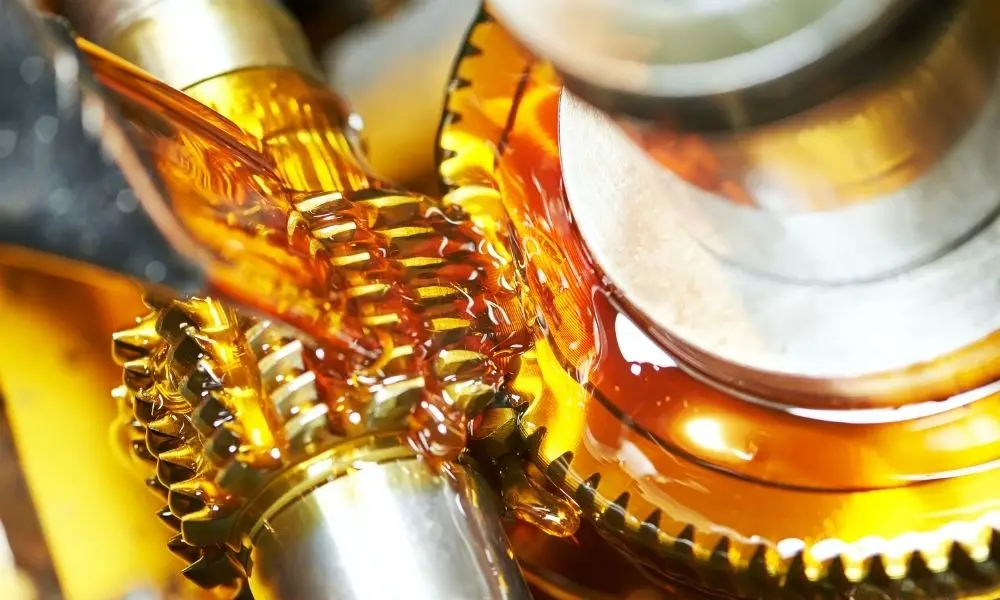
Gear hobbing

Gear hobbing

Continuous generation

A rotating hob and gear blank move in a synchronized generating relationship.
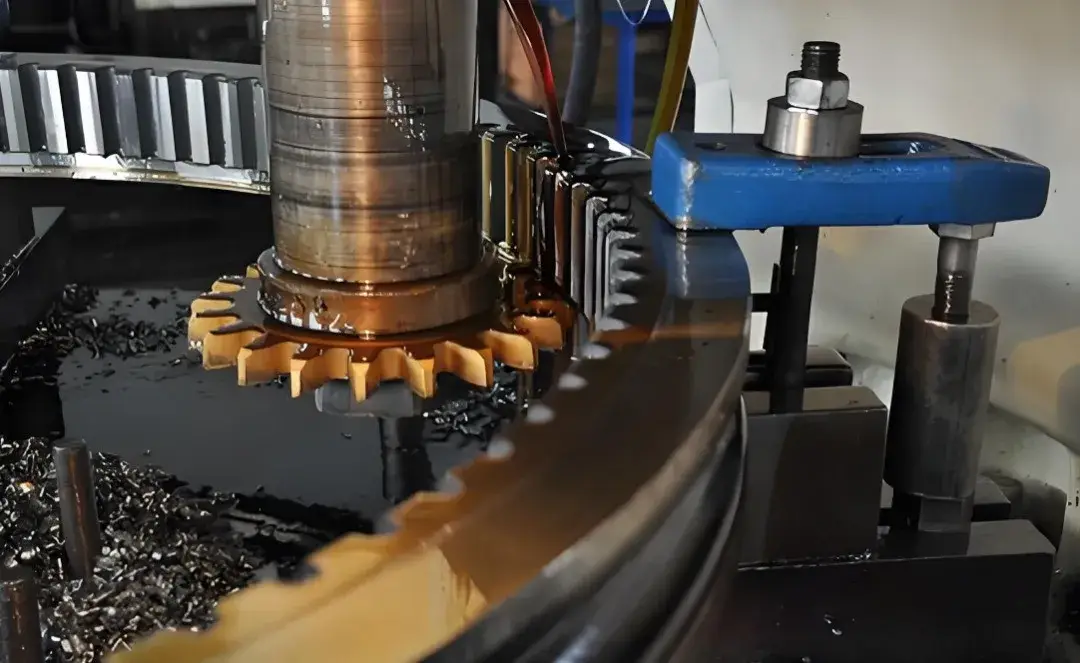
CNC gear shaping

Gear shaping

Reciprocating generation

A pinion-type cutter reciprocates while the cutter and workpiece roll together.
Quick Answer

What Is the Difference Between Gear Hobbing and Gear Shaping?

Hobbing uses a continuously rotating hob and is commonly preferred for productive cutting of external spur and helical gears. The continuous cutting action supports stable repeat production when the hob has clear access across the face width.

Shaping uses a reciprocating gear-shaped cutter and can cut both internal and external teeth. It is especially useful when an internal bore must be geared or when a shoulder, flange, or adjacent feature limits hob travel. Neither process is automatically better for every drawing.

Process Comparison

Gear Hobbing vs Gear Shaping: Key Differences

The most important difference is not simply cycle time. Start by checking whether the cutter can physically reach and pass the teeth without colliding with the workpiece geometry.

Factor Gear Hobbing Gear Shaping
Cutting Motion Continuous rotary generating action between hob and workpiece. Reciprocating cutter stroke with generating rotation between cutter and workpiece.
External Gears A common choice for accessible external spur and helical gears. Suitable for many external gears, especially near shoulders or adjacent features.
Internal Gears Conventional hobbing is generally not used for internal teeth. Well suited to many internal gears and internal splines when cutter access is available.
Tool Clearance Needs room for hob approach, travel, and overrun across the tooth face. Can work closer to shoulders, although stroke clearance and cutter withdrawal still matter.
Productivity Often more productive for open external gears because cutting is continuous. Reciprocating strokes may create a longer cycle, depending on geometry and machine capability.
Typical Workpieces External gears, pinions, and gear shafts with open tooth access. Internal gears, stepped gears, cluster gears, and external gears close to shoulders.
Process Economics Often attractive for repeat and volume production of suitable external gears. Often justified when the geometry cannot be hobbed efficiently or at all.

Important:
module, tooth count, helix angle, face width, cutter diameter, workpiece stiffness, shoulder distance, machine stroke, setup, material, and inspection requirements all influence the achievable result.

Process Selection

When Should You Use Hobbing or Shaping?

Use the part geometry to screen the process first. Then compare tooling, setup, required accuracy, quantity, and the complete production route.


Gear Hobbing

Choose Hobbing for Accessible External Gears

Hobbing is usually considered first when the teeth are external, the cutter has enough approach and overrun space, and the project benefits from continuous cutting.

✓External spur or helical gears

✓Gear shafts and pinions with open access

✓Repeat or volume production

✓Stable tooling available for the tooth data


Read the Gear Hobbing Guide →


Gear Shaping

Choose Shaping When Access Controls the Route

Shaping is often the practical route when the teeth are internal or when the workpiece has a shoulder, flange, or neighboring feature that prevents normal hob overrun.

✓Internal gears and suitable internal splines

✓External gears close to a shoulder

✓Stepped or cluster gear geometry

✓Parts requiring controlled cutter travel


Explore Internal Gear Manufacturing →

Geometry First

Why Tool Access Often Decides the Process

A drawing may appear to show a standard spur or helical gear, yet a nearby shoulder can change the manufacturing route. Hobbing needs space for the hob to enter, cross the full face width, and overrun the cut.

Shaping can work closer to an obstruction, but it still needs room for cutter approach, stroke clearance, chip evacuation, and withdrawal. Internal gears also require a suitable cutter diameter and tooth-count relationship.

External or Internal Teeth: Confirm the tooth position before comparing machines or cycle time.
Shoulder and Flange Distance: Measure cutter approach, travel, overrun, and withdrawal space.
Cutter and Workpiece Relationship: Review module, pressure angle, tooth count, helix angle, face width, and interference risk.

Machine and Fixture Capability: Check stroke, synchronization, rigidity, workholding, chip control, and inspection planning.

Confirm Before Release: Approve the process against the drawing and agreed inspection method.
Review Wenlio Machine Capabilities →

Project Review

What Should Be Checked Before Choosing the Process?

The drawing, workpiece geometry, and production plan should be reviewed together. A familiar process is not necessarily the best fit for a restricted part.

01

Gear Type

Identify external or internal teeth, spur or helical form, spline requirements, and whether the part is a gear, shaft, ring, or cluster.

02

Tool Clearance

Check shoulder distance, face width, bore depth, hob overrun, shaper stroke, cutter approach, and withdrawal space.

03

Tooth Data

Review module or DP, pressure angle, tooth count, helix angle, profile shift, root form, and any special modifications.

04

Accuracy & Inspection

Define the required gear grade, profile, lead, pitch, runout, tooth thickness, backlash, and reporting requirements.

05

Material & Heat Treatment

Confirm machining hardness, treatment sequence, expected distortion, finishing allowance, and whether later correction is required.

06

Quantity & Production Plan

Compare tool availability, setup effort, cycle time, repeat orders, volume production, and the complete cost per accepted part.

RFQ Preparation

What Information Helps Wenlio Select the Right Process?

Outside diameter and tooth count are not enough to decide between hobbing and shaping. A shoulder, blind internal feature, restricted bore, or helical tooth requirement can change cutter access and machine selection.

Send the available drawing or 3D model with the gear data, material, heat treatment, accuracy, quantity, and mating-part information. Wenlio can review the geometry and propose a practical route before quotation.

Custom Gears Made to Drawing or Sample →

Recommended RFQ Information

✓2D drawing and available 3D model

✓Internal or external tooth geometry

✓Module or DP, tooth count, and pressure angle

✓Helix angle, face width, and nearby shoulders

✓Material, hardness, and heat treatment

✓Accuracy, inspection, quantity, and project stage

Buyer Questions

Gear Hobbing vs Gear Shaping FAQ

Conventional gear hobbing is mainly used for external gears. Internal teeth normally require shaping, broaching, power skiving, or another process selected for the part geometry and production requirements.

No. Gear shaping can also cut external gears. It is especially useful when an external gear sits close to a shoulder, flange, or adjacent gear that limits hob travel.

Hobbing is generally more productive for accessible external gears because it uses continuous cutting. Actual cycle time still depends on gear size, material, cutter, machine, setup, and required quality.

Yes, when the machine, cutter, guide, and setup support the required helix. The helix angle, face width, cutter clearance, and machine capability must be confirmed before production.

Start with internal or external geometry and tool clearance. Then review tooth data, material, heat treatment, accuracy, quantity, tooling, and inspection requirements before confirming the manufacturing route.

Project Review

Need to Confirm Hobbing or Shaping for Your Gear?

Send your drawing, gear data, material, heat-treatment requirement, quantity, and inspection requirements. Wenlio can review cutter access, workpiece geometry, and the production plan before quotation.

Contact Us More Gear Guides
Custom Gear R&D and Design Support Wenlio