Controlled sourcing for gear projects

Supply Chain Management

A gear can meet the drawing and still create trouble if material, outside processing, revisions, records, or delivery are not controlled as one project. Wenlio coordinates those points from sourcing review to shipment release.

Discuss your supply plan See the control processโ†“

Defined scope

Internal and external process responsibilities reviewed before release

Qualified source

Supplier fit assessed against the required material, process, and records

Traceable batch

Lot identity and project documents defined to the agreed order scope

Controlled change

Material, route, source, and revision changes reviewed before use

Hedia Yang

Supply Chain Director, Wenlio

Project coordination

The supply route is part of the technical plan

Material, gear cutting, heat treatment, finishing, inspection, packaging, and transport are connected. A decision at one stage can change distortion, machining allowance, tooth accuracy, surface condition, cost, or lead time at the next.

Wenlio reviews the route around the drawing and order requirement. The aim is to make responsibilities, control points, records, and release conditions clear before production moves ahead.

1 Start with the requirement

Match the source and process to the drawing, quantity, application, and approval needs.

2 Control the handoffs

Keep part identity, revision, lot information, and inspection requirements attached to each process step.

3 Release with evidence

Confirm the agreed records and acceptance points before the order is cleared for shipment.

Buyer risks

Small supply chain gaps become expensive gear problems

Most failures in coordination start before shipment. The quoted scope is unclear, a process changes, records do not follow the batch, or a delivery date is set without checking the complete route.

01

Unclear sourcing scope

A low quote may exclude heat treatment, finishing, inspection, certificates, special packaging, or export preparation, creating hidden costs during the project.

02

Process changes without review

A different material batch, heat treatment source, machining route, or drawing revision can affect fit and approval.

03

Records detached from the lot

A certificate has limited value if the buyer cannot connect it to the shipped parts and approved revision.

04

Lead time based on one operation

Raw material, tooling, outside processing, inspection, packing, and transport all need to fit the same schedule.

Supply chain scope

What may need to be coordinated for a gear order

The final route depends on gear type, material, accuracy, quantity, application, and the documents required for approval.

01

Material and blanks

Grade, source, condition, forging or bar route, batch identity, and available material records with full traceability documentation.

02

Machining and gear cutting

Blank machining, hobbing, shaping, milling, bevel cutting, grinding, lapping, and required process sequence.

03

Heat and surface treatment

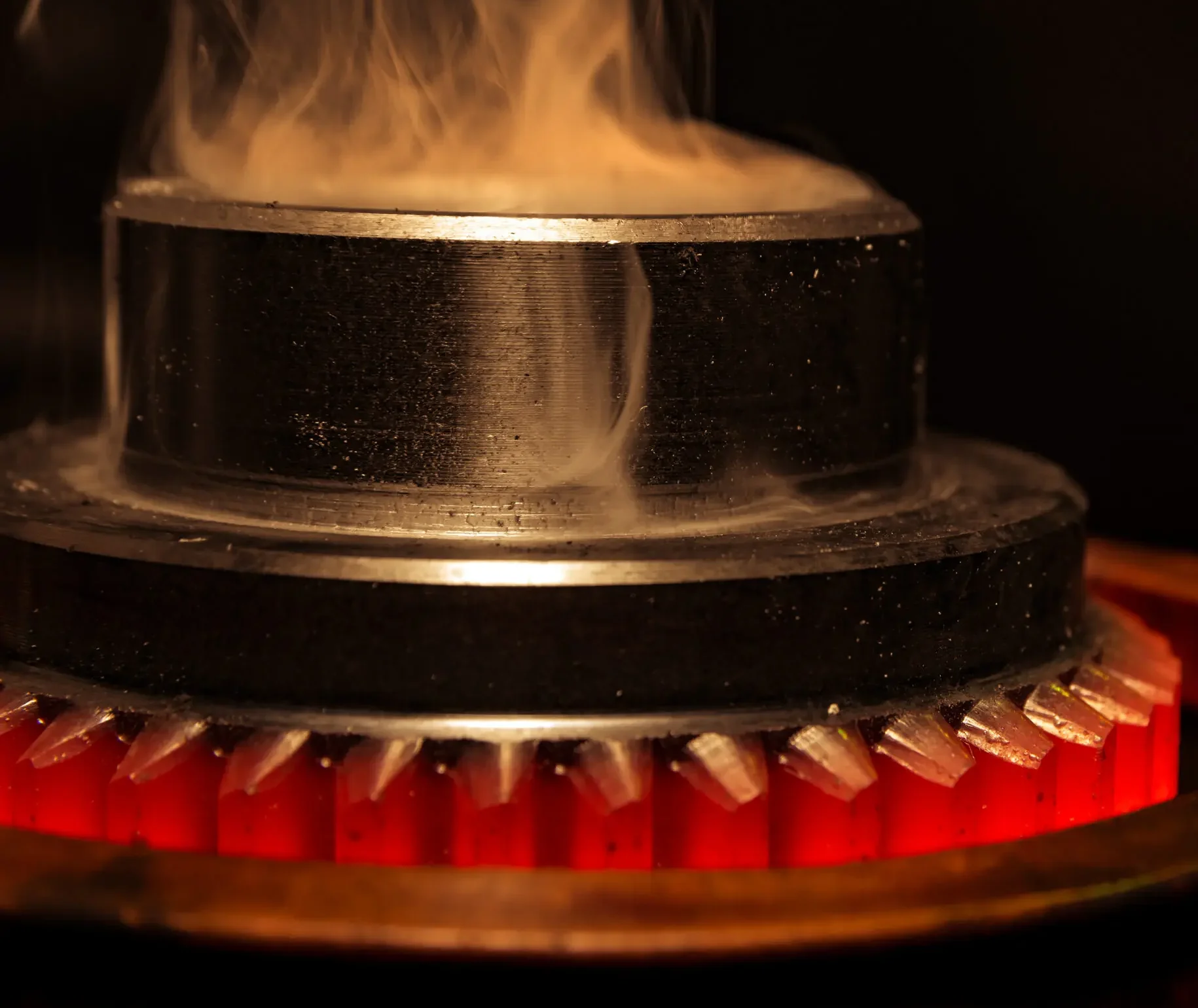
Carburizing, induction hardening, through hardening, nitriding, coating, hardness, case depth, and distortion control as specified.

04

Inspection and testing

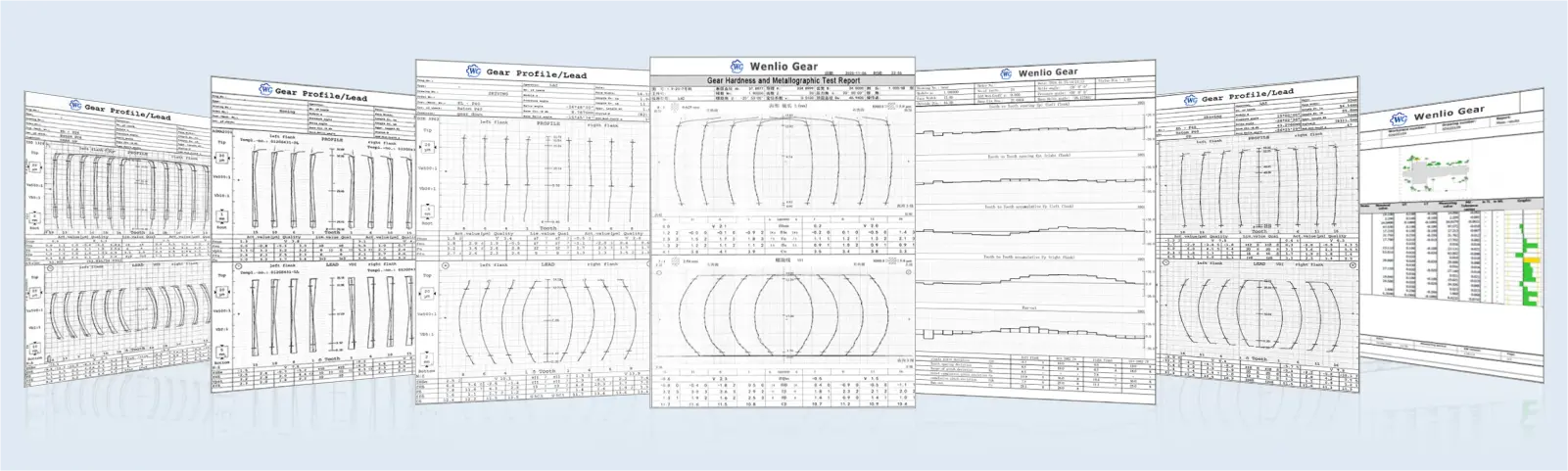
Incoming checks, in-process control, dimensional inspection, tooth data, rolling or contact checks, and final release records.

05

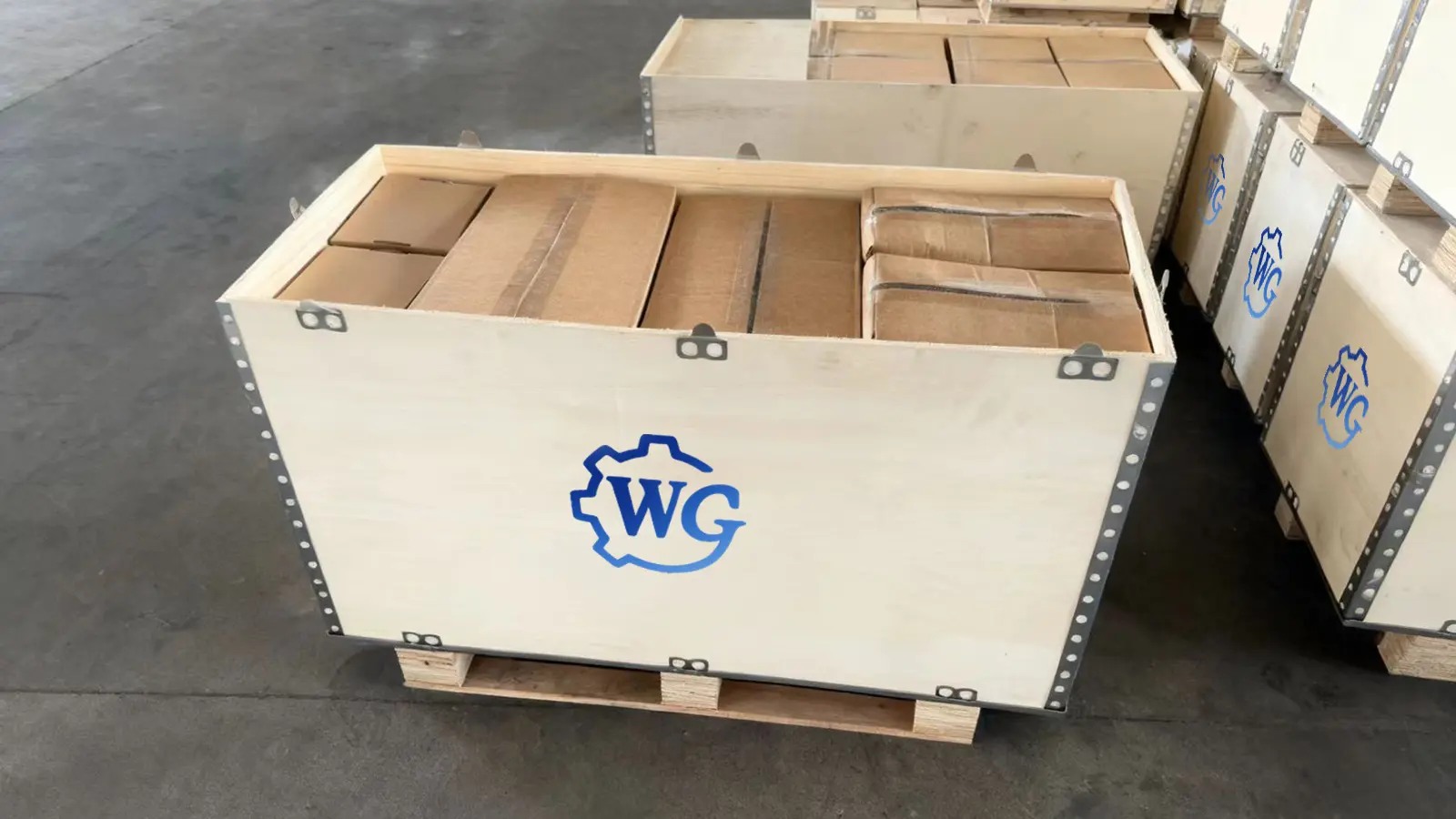
Identification and packaging

Part number, pair or lot marking, corrosion protection, separation, packaging format, and customer labeling needs.

06

Shipment and order handoff

Delivery plan, export documents, packing information, inspection package, and communication for repeat orders.

Source qualification

A supplier is approved for a specific job, not by name alone

A capable source for one material or process may not suit another. Review should connect supplier capability to the drawing, process window, inspection method, documentation, capacity, and change requirements of the actual project.

  • Technical fit: material, process range, tolerance, equipment, and special characteristics
  • Quality fit: control plan, inspection method, nonconformance handling, and available records
  • Capacity fit: tooling, batch size, lead time, bottleneck operations, and recovery options
  • Traceability fit: lot identity, revision control, certificates, and record retention
  • Change discipline: notification and review before source, route, material, or process changes
Send your requirement

Capability before price

The quote should reflect the required route, controls, and evidence, not only the final part number.

Coordination process

Six control points from RFQ to shipment

Each gate removes a different kind of uncertainty. The level of documentation is set by the project and purchase requirement.

STEP 01

Clarify the sourcing scope

Review the drawing, quantity, material, heat treatment, gear accuracy, inspection, records, packaging, and target timing.

STEP 02

Plan the process route

Map each manufacturing and outside process, its owner, input, output, lead time, and acceptance point.

STEP 03

Review the source

Check technical fit, records, capacity, risk, and any sample or validation needed before production release.

STEP 04

Control the batch

Maintain the approved revision, lot identity, process instructions, critical checks, and status through each handoff.

STEP 05

Review evidence

Collect and check the agreed certificates, inspection results, approvals, and exceptions before final release.

STEP 06

Release and learn

Confirm packing and shipment information, then retain the approved basis and feedback for the next order.

Control before, during, and after processing

Heat treatment and finishing requirements should be linked to the machining allowance and final inspection plan.

Outside process control

Outsourcing a process does not outsource accountability

Special processes can change gear performance and final geometry. The purchase requirement needs to state what will be done, how the batch is identified, what evidence is required, and which checks follow the process.

BEFORE

Release the correct requirement

Approved drawing revision, material state, process specification, hardness or case requirement, quantity, lot identity, and certificate needs.

DURING

Keep the lot and status visible

Separate batches, record exceptions, monitor agreed process points, and prevent unreviewed substitutions or mixed revisions.

AFTER

Verify before the next operation

Check the certificate and specified results, then review distortion, hardness, surface condition, or machining allowance as applicable.

Evidence and traceability

Records should answer one question: what was shipped?

The document package is agreed by project. Useful records connect the shipped parts to the drawing revision, material or process lot, inspection result, and release status.

Inspection records

Dimensional, tooth, hardness, or other results included when specified in the project scope.

Functional checks

Rolling, contact, backlash, noise, or mating checks can be defined where they support product approval.

Material and process records

Material certificates, heat treatment results, or special process records can follow the agreed lot.

Identity and release

Part, pair, lot, revision, packing label, and shipment release information are set to the order requirement.

Change and delivery control

Keep the approved basis intact through repeat orders

A repeat order is reliable only when the drawing, process route, source, inspection scope, packaging, and accepted deviations remain visible. If one of those changes, the effect should be reviewed before production.

Useful RFQ inputs

Drawing and revision, annual and batch quantity, material and heat treatment, accuracy grade, inspection and certificate needs, packaging, delivery location, and target schedule.

01

Baseline

Record the approved drawing, source route, process requirements, inspection plan, and packaging scope.

02

Change review

Assess the technical, quality, cost, and schedule effect before material, source, route, tooling, or revision changes are used.

03

Revalidation

Define whether the change needs a new sample, first-article check, document update, or customer approval.

04

Delivery handoff

Release the shipment with the agreed packing information, inspection package, and open-item communication.

Buyer questions

Gear supply chain management FAQ

It connects the sourcing and control of material, blanks, machining, gear cutting, heat treatment, finishing, inspection, packaging, and shipment. The exact scope depends on the drawing, quantity, approval requirements, and delivery plan.

The project requirement should define the approved revision, process specification, lot identity, acceptance points, records, and checks required before the parts move to the next operation. The level of control is agreed for each project.

These records can be included when they are agreed in the quotation and purchase requirement. Availability and format depend on the material, process source, gear type, and inspection scope.

Changes to the drawing, material, source, process route, tooling, inspection, or packaging should be reviewed against the approved baseline. The review determines whether updated documents, a new sample, or customer approval is needed.

Send the latest drawing or model, revision, quantity, annual demand, material and heat treatment, accuracy and inspection needs, certificate requirements, packaging, delivery location, and target timing. A sample or mating-part information may also help.

Need a clearer supply route for your gear order?

Send the drawing, quantity, material, inspection needs, and target schedule. Wenlio can review the process scope, control points, required records, and open risks before quotation or production release.

Include the latest drawing revision and identify any mandatory supplier, process, certificate, packaging, or delivery requirement.