
Gear Milling vs Gear Grinding: Which Process Fits Your Gear Project?

Gear milling and gear grinding both play important roles in gear manufacturing, but they normally solve different problems. Milling creates the tooth geometry, while grinding is generally used when the finished gear needs tighter accuracy, controlled tooth surfaces, or correction after heat treatment.

The right process depends on the gear design, material condition, heat treatment, required accuracy, quantity, and how the gear will operate in the final assembly.

Discuss Your Gear Project Back to Gear Guides
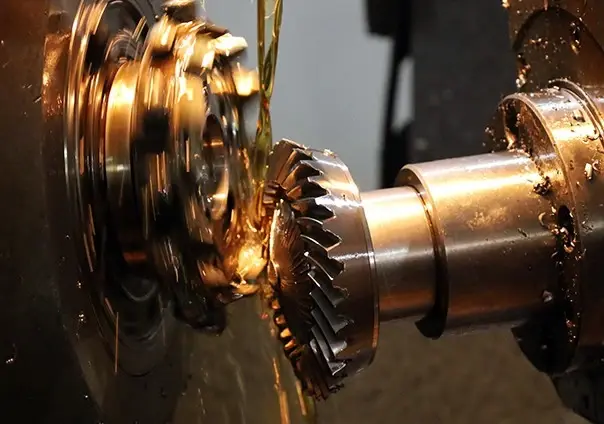
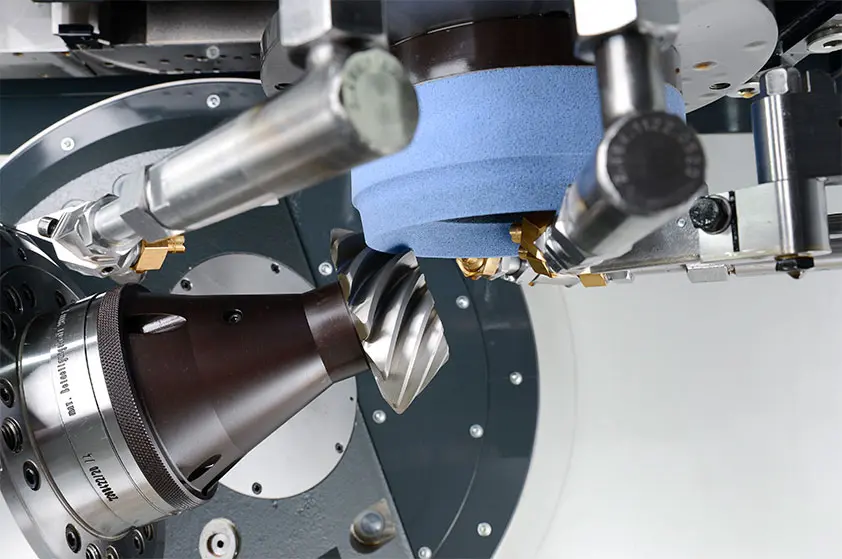
gear milling

Gear milling

Tooth generation

Creates the basic tooth geometry before later treatment or finishing.

Gear grinding

Gear grinding

Precision finishing

Refines critical tooth surfaces when final requirements justify it.
Quick Answer

What Is the Difference Between Gear Milling and Gear Grinding?


Gear milling is primarily a tooth-cutting process, while gear grinding is primarily a precision finishing process.

Milling removes material to establish the tooth form. Grinding refines an existing tooth surface and can improve final geometry and surface condition.

Not every milled gear needs grinding. If cutting, heat treatment, and the planned downstream operations already meet the drawing and application requirements, an additional grinding stage may not be necessary.

Process Comparison

Gear Milling vs Gear Grinding: Key Differences

The two processes should not be compared only by price or accuracy. They usually perform different jobs within the complete manufacturing route.

Factor Gear Milling Gear Grinding
Primary Role Generate or machine the basic tooth geometry. Finish and correct existing tooth surfaces.
Typical Stage Usually part of the tooth-cutting stage. Often used after heat treatment when final correction is required.
Material Condition Commonly soft or pre-treated material. Suitable for finishing hardened tooth surfaces.
Accuracy Suitable for many general, prototype, repair, and special projects. Better suited to demanding final tooth-geometry control.
Surface Finish Machined surface determined by cutter, setup, and cutting conditions. Can provide a finer and more controlled tooth-flank finish.
Flexibility Useful for prototypes, small batches, and suitable special geometries. Requires suitable access, allowance, wheel selection, and planning.
Cost Consideration Can avoid an extra finishing operation when cutting already meets the requirement. Adds another precision operation when final requirements justify it.

Important:
gear type, material, size, machine capability, fixturing, heat treatment, finishing allowance, and inspection requirements all influence the achievable result.

Process Selection

When Should You Use Milling or Grinding?

Start with the drawing and application requirements. The manufacturing process should support the required result rather than add unnecessary operations.


Gear Milling

Choose Milling When Flexibility Matters

Gear milling can be practical for prototypes, replacement gears, small batches, repair projects, and suitable non-standard geometries. It can also create the tooth geometry before heat treatment and later finishing.

Prototype or development projects

Low-volume or replacement parts

Suitable special tooth geometries

Projects with additional downstream finishing


Explore CNC Gear Milling →


Gear Grinding

Choose Grinding for Final Precision

Grinding becomes more important when a hardened gear requires controlled final geometry. It may help improve profile, lead, pitch consistency, and tooth-flank condition after earlier manufacturing stages.

Hardened gears requiring final correction

Tighter profile, lead, pitch, or runout control

Controlled tooth-flank finish

Noise or tooth-contact sensitive applications


Explore CNC Gear Grinding →

Manufacturing Route

Can Milling and Grinding Be Used Together?

Yes. In many precision gear projects, milling and grinding are not competing alternatives. They perform different jobs at different stages of production.

A hardened precision gear may require tooth cutting first, followed by heat treatment and then grinding. Other gears may not require every stage.

Blank Preparation: Prepare the part and reference surfaces.
Tooth Cutting: Milling or another suitable cutting method creates the tooth geometry.
Heat Treatment: Develop the required hardness and material properties.

Gear Grinding: Finish critical tooth surfaces when required.

Final Inspection: Verify the agreed drawing requirements before release.
Explore Gear Heat Treatment →

Project Review

What Should Be Checked Before Choosing the Process?

Review the functional requirements first. This helps avoid both under-processing and unnecessary manufacturing cost.

01

Accuracy Requirement

Review gear quality grade, profile, lead, pitch, runout, backlash, and other acceptance requirements.

02

Material & Hardness

Confirm whether the gear is machined soft, pre-treated, case hardened, through hardened, or nitrided.

03

Heat Treatment

Consider whether thermal processing may change dimensions or tooth geometry enough to need final finishing.

04

Gear Geometry

Gear type, module, tooth count, helix angle, diameter, face width, shoulders, and tool access affect process feasibility.

05

Operating Conditions

Torque, speed, duty cycle, lubrication, mating gear, bearings, and housing conditions should be reviewed together.

06

Quantity & Cost

Prototype, small-batch, and repeat-production projects may justify different tooling and finishing strategies.

RFQ Preparation

What Information Helps Wenlio Select the Right Process?

Outside diameter and tooth count alone are usually not enough to decide whether milling, grinding, or another manufacturing route is appropriate.

Provide the available drawing or 3D model together with gear parameters, material, heat treatment, accuracy requirements, quantity, application, and mating-part information when available.

Custom Gears Made to Drawing or Sample →

Recommended RFQ Information

2D drawing or 3D model

Gear type and tooth parameters

Material and heat treatment

Accuracy and inspection requirements

Quantity and project stage

Application and mating-part information

Buyer Questions

Gear Milling vs Gear Grinding FAQ

Yes, if the milled gear already meets the required tooth geometry, accuracy, surface condition, and application requirements. Grinding is not required for every gear.

No. It is commonly considered after hardening when heat-treatment changes or final tooth requirements make additional finishing necessary.

Grinding generally provides greater potential for final tooth-geometry control because it is a precision finishing process. Actual results still depend on gear design, equipment, setup, material, and inspection requirements.

Usually yes, because it adds another setup and finishing operation. When the drawing requires the resulting accuracy or surface condition, it becomes part of the required manufacturing route.

Review the drawing, material, heat treatment, tooth accuracy, surface requirements, quantity, and operating conditions. Wenlio can review these details before quotation and determine a practical manufacturing route.

Project Review

Need to Confirm the Process for Your Gear Project?

Send your drawing, sample information, material, heat-treatment requirement, quantity, and inspection requirements. Wenlio can review the project and determine a practical machining and finishing route before quotation.

Contact Us More Gear Guides
Custom Gear R&D and Design Support Wenlio