Custom Gear R&D and Design Support Wenlio

Gear engineering support

R&D and Design

A workable gear design has to fit the assembly, load case, manufacturing route, and inspection plan. Wenlio reviews those points before a project moves from drawing or sample to prototype and repeat production.

Send your drawing See the review process↓

20+ years

Gear manufacturing experience

10+

Technical patents listed in the Wenlio profile

2D / 3D

Drawing, model, and sample-based project input

FAI / PPAP

Project documentation available when agreed

Review before release

Questions about geometry, datums, material, and inspection are easier to resolve before tooling and machining begin.

Practical engineering review

A drawing is the starting point, not the whole project

Two gears can share the same ratio and still behave differently in the assembly. Mounting position, mating geometry, material, heat treatment, accuracy, and the intended production quantity all affect the final route.

1 Clarify the design basis

Review the drawing, model, sample, mating part, and available operating data.

2 Connect design with production

Check whether the geometry and tolerances fit a repeatable machining and heat treatment route.

3 Plan evidence before approval

Agree on the prototype checks, inspection records, and release criteria before production starts.

View custom gear capabilities

When support matters most

Resolve design risk before it becomes rework

Engineering review is especially useful when project information is incomplete, the assembly has fixed constraints, or the prototype route may differ from mass production.

01

Incomplete drawings

Missing tooth data, datums, tolerances, or heat treatment notes can lead suppliers to quote different technical scopes.

02

Sample-based projects

A worn sample may not preserve the original tooth form, backlash, surface condition, or critical mounting dimensions.

03

Matched gear sets

Bevel and hypoid projects may require mating-part data, mounting distance, backlash, contact pattern, and pair identification.

04

Prototype transfer

A flexible prototype method may not provide the cycle time, tooling stability, or cost needed for repeat batch production.

Engineering scope

What Wenlio reviews with your project

The final scope depends on the gear type, application, available input, and stage of development. The review focuses on issues that affect manufacturing and acceptance.

01

Application and duty

Load, speed, ratio, duty cycle, lubrication, space limits, and the function of the gear in the assembly under actual operating conditions.

02

Gear geometry

Tooth count, module or DP, pressure angle, helix or spiral data, ratio, center distance, and mating relationship.

03

Datums and tolerances

Functional datums, bore and face relationships, runout, fits, surface finish, tooth accuracy, and critical dimensions.

04

Material and heat treatment

Material grade, hardness, case depth, distortion risk, machining allowance, and finishing after heat treatment.

05

Manufacturing route

Blank preparation, tooth cutting, heat treatment, hard finishing, tooling, workholding, quantity, and repeatability.

06

Inspection and release

Measurement method, accuracy standard, sample plan, contact checks, required reports, and approval records.

Six-step workflow

From technical input to production release

The process keeps drawing decisions, manufacturing assumptions, and inspection evidence connected throughout the project.

STEP 01

Collect project input

Receive the 2D drawing, 3D model, sample, mating information, application details, quantity, and target timing.

STEP 02

Review requirements

Check gear data, dimensions, tolerances, material, heat treatment, accuracy, inspection, and missing information.

STEP 03

Assess feasibility

Match the design with a practical blank, machining, heat treatment, finishing, and inspection route.

STEP 04

Confirm the proposal

Document open points and proposed changes. The customer approves drawing or requirement changes before release.

STEP 05

Build and inspect samples

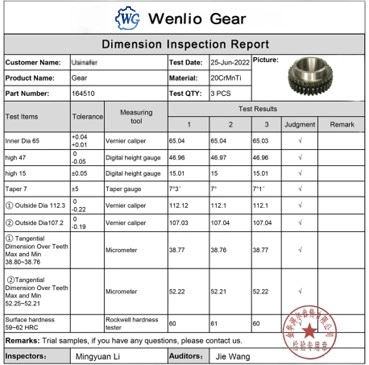
Produce the agreed prototype or first article and check the dimensions, tooth geometry, hardness, or functional items required.

STEP 06

Approve and transfer

Record the approved revision, inspection basis, process route, and control points for repeat production.

Engineering evidence

Design decisions should connect to measurable results

A model or calculation does not replace a manufactured sample. Wenlio links design review with process planning and agreed inspection evidence.

Prototype route selection

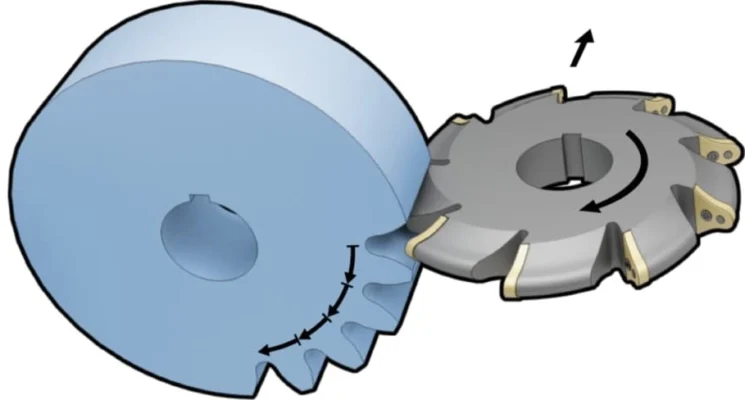
CNC milling or dedicated gear cutting is selected by geometry, quantity, accuracy, tooling, and future production needs.

Dimensional evidence

Critical dimensions and functional datums are checked against the approved drawing and inspection plan.

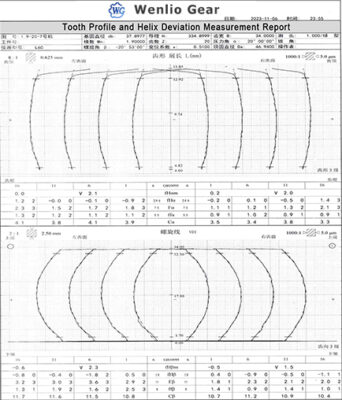
Tooth geometry review

Profile, lead, pitch, and runout checks can form part of the agreed sample or final inspection scope.

Material and heat treatment planning

Hardness, case depth, distortion, allowance, and post-treatment finishing are reviewed as one process.

Project outputs

What the review produces

Deliverables vary by the project stage and agreed scope. The aim is to leave fewer technical assumptions between the drawing, quote, prototype, and production order.

Send the most complete input available

Useful files include PDF or DWG drawings, STEP or IGES models, mating-part data, photos or samples, material and heat treatment notes, quantity, and application conditions.

01

Clarification list

Missing parameters, conflicting requirements, datum questions, and information needed before quotation or production.

02

DFM feedback

Manufacturing feasibility comments and proposed adjustments when a requirement creates avoidable process or inspection risk.

03

Process and inspection plan

The proposed route, critical control points, sample checks, and documents that form the agreed technical scope.

04

Prototype evidence

Sample or first-article results for the dimensions, tooth data, hardness, contact, or other items specified for approval.

05

Approved revision basis

A traceable drawing and requirement version that can guide repeat orders and production change control.

Technical accountability

Engineering review tied to production reality

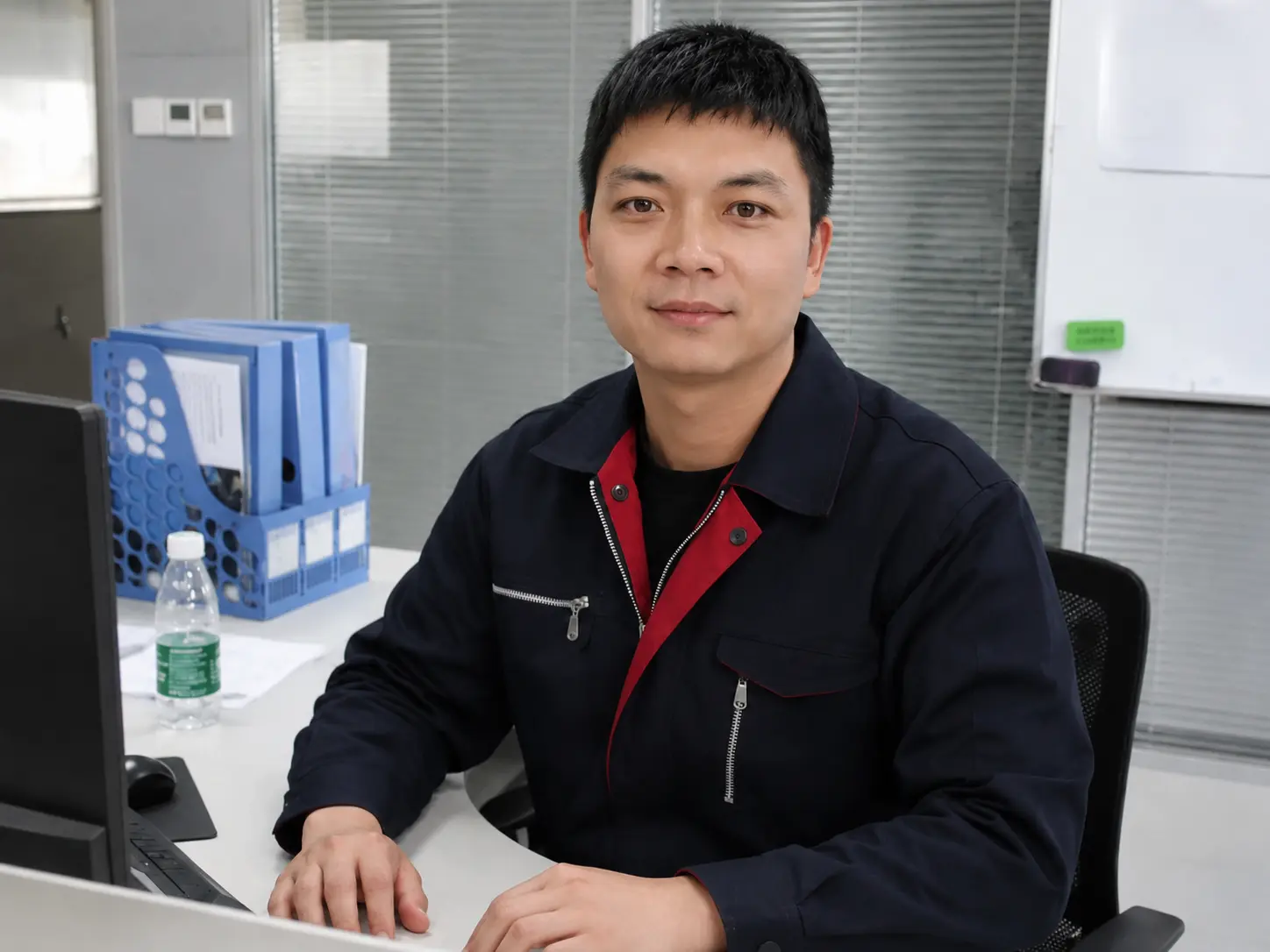
Wenlio’s technical team reviews custom gear projects with the manufacturing and inspection route in view. When information is incomplete, the team identifies the open points before making assumptions that could affect cost, fit, contact, or approval.

This approach is most useful for bevel gear sets, drawing-based parts, sample-based replacements, prototypes, and projects that need a controlled move into repeat production.

Jake Ni

Technical Director, Wenlio

Browse gear guides About Wenlio

Application context

Review priorities change with the machine

Load, shock, speed, noise, packaging, maintenance, and production volume do not carry the same weight in every application.

Agriculture Machinery gears and shafts

01

Agricultural machinery

Truck Gears and Shafts

02

Heavy-duty trucks

Engineering Machinery Gears and Shafts

03

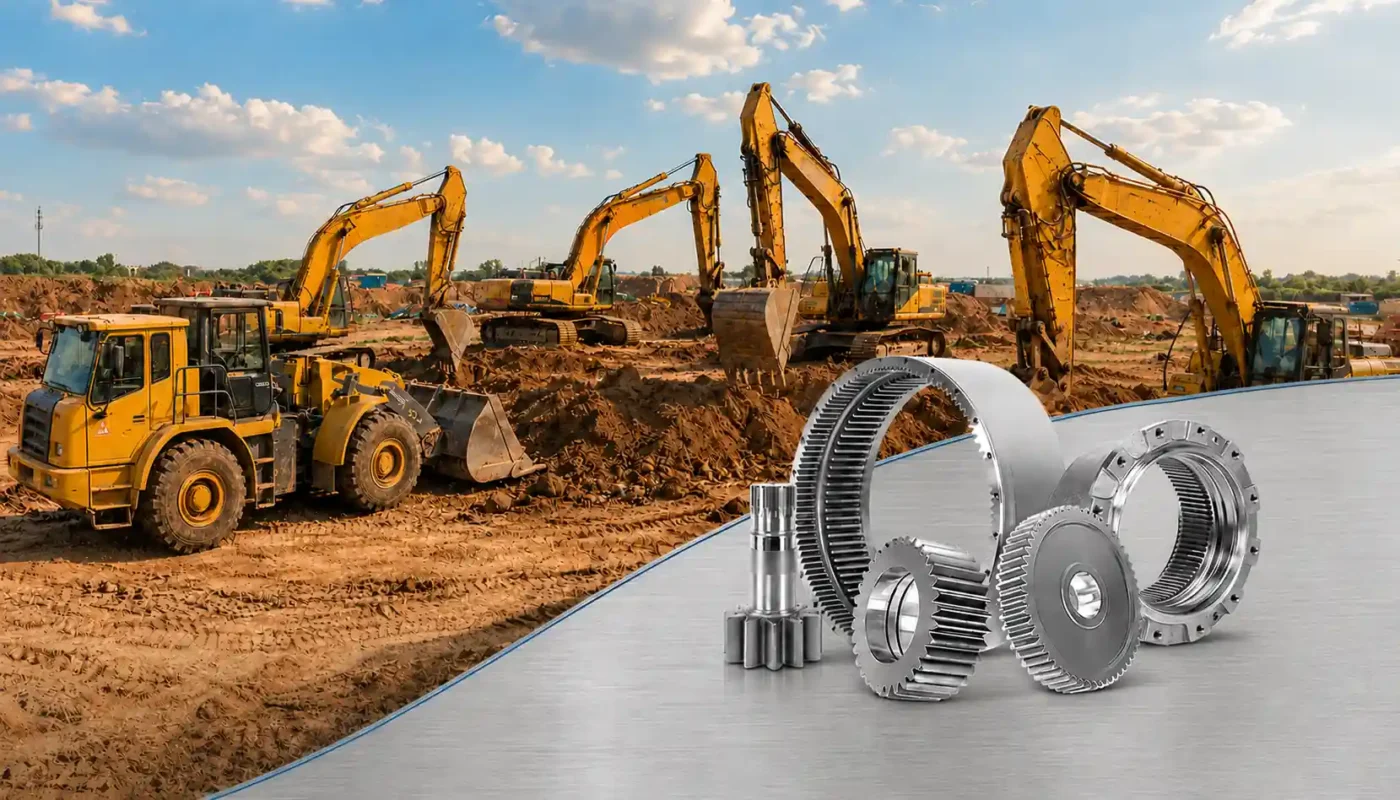
Construction equipment

EV gears and shafts

04

Electric vehicles

Industrial automation gears

05

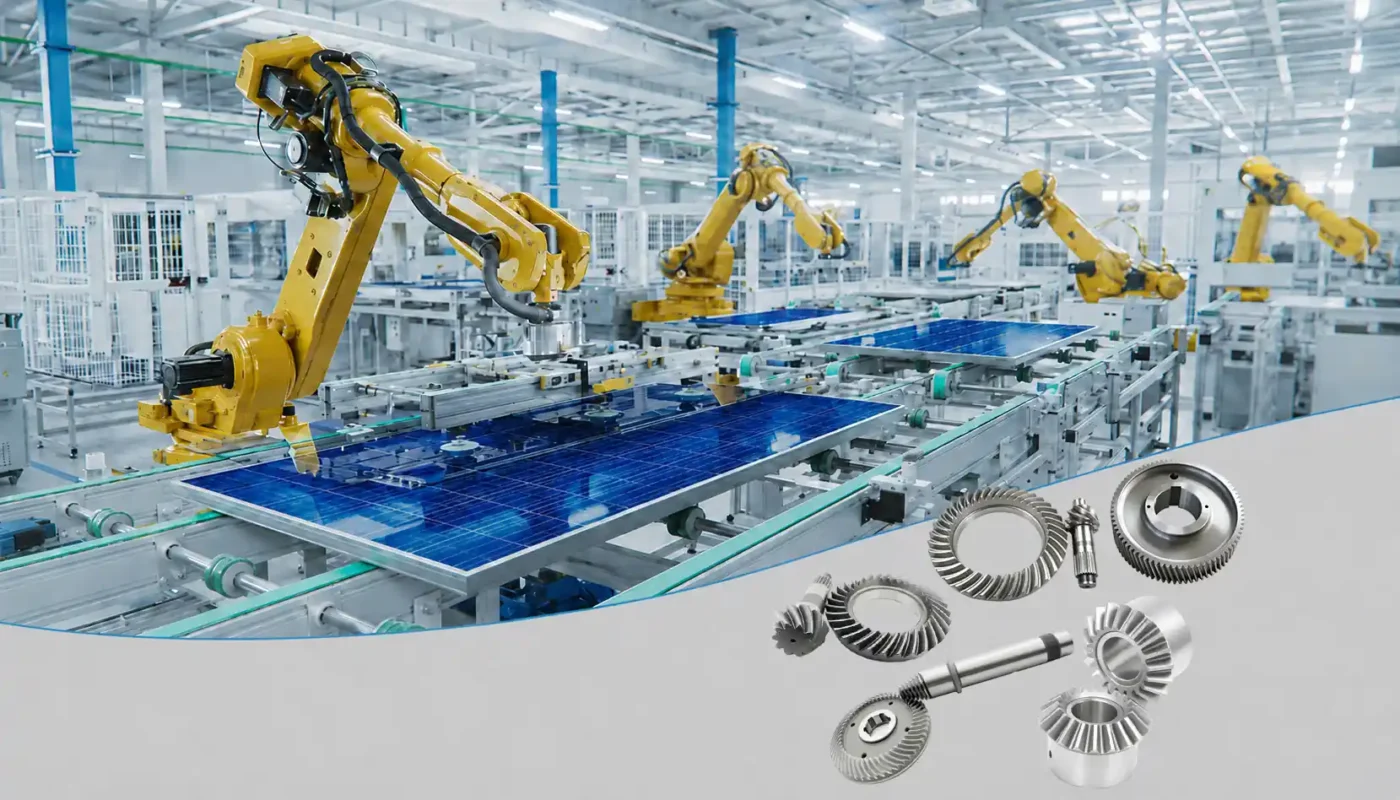
Industrial automation

FAQ

Custom gear design questions

Yes. The review can cover gear parameters, datums, tolerances, material, heat treatment, manufacturability, inspection requirements, and missing information. Any proposed change should be confirmed before production.

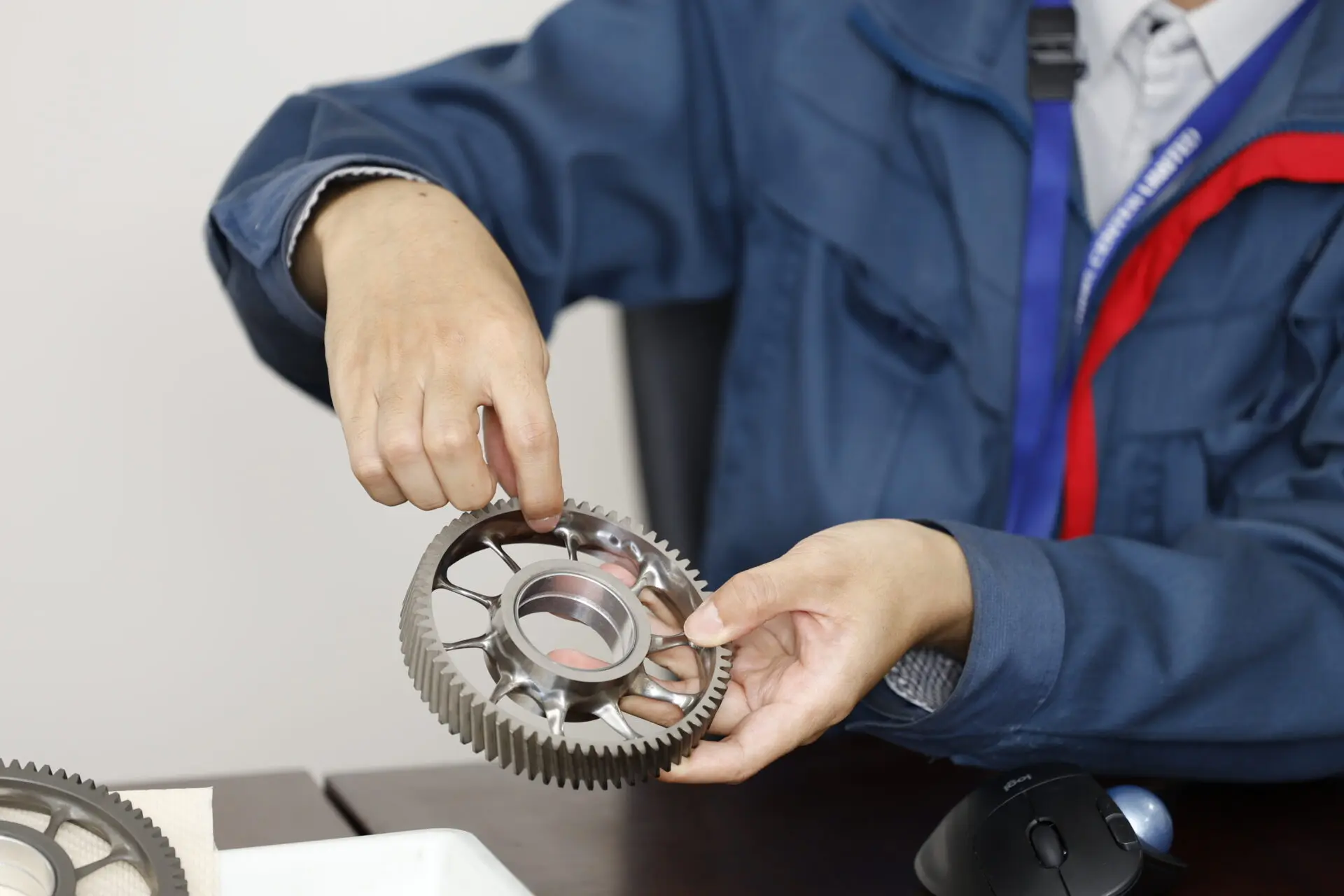
Yes, but a sample may be worn or may not show the original design intent. Mating parts, mounting dimensions, application data, photos, and any existing records help reduce uncertainty during sample-based review.

Provide drawings or models for both gears where possible, plus ratio, shaft angle, mounting distance, backlash target, contact requirements, material, heat treatment, quantity, and application conditions.

Wenlio reviews manufacturability as part of custom gear project assessment. Feedback may address missing information, machining access, tolerances, heat treatment distortion, inspection feasibility, or the move from prototype to production.

Yes. A prototype may use a flexible process such as CNC milling, while stable batch production may need dedicated tooling or gear-cutting equipment. If the route changes, the project may require another sample or approval step.

Have a gear drawing, model, or sample to review?

Send the available technical information and intended quantity. Wenlio can identify the main questions before quotation, prototype planning, or production release.

PDF and DWG are useful for 2D requirements. STEP or IGES files help with complex geometry and assembly review.

Request a project review